

Podcast: Download
Subscribe: RSS
Should You Settle in Your Relationship? — Alyson and Tripp Lanier
Should you settle in your relationship?
Do you ever wonder if there’s someone out there who’s a better fit?
And could raising the bar too high leave you alone forever?
Today, Alyson and I dig into the idea of “settling” in relationships. We talk about what it really means to raise your standards, how we sabotage relationships, and why it’s tempting to focus on someone else’s flaws instead of facing our own fears.
In this conversation:
- Fear of settling in a relationship
- Always finding faults with potential partners
- Expecting someone to check all the boxes
- FOMO and wondering who’s better
- Using settling as an excuse to avoid intimacy
Plus:
- Attachment styles and how they impact relationships
- Being afraid to let someone get too close
- Clarifying your “dealbreakers”
- Refusing to sweep stuff under the rug
- What would you be excited to commit to?
Mentioned in this interview:
About Tripp Lanier
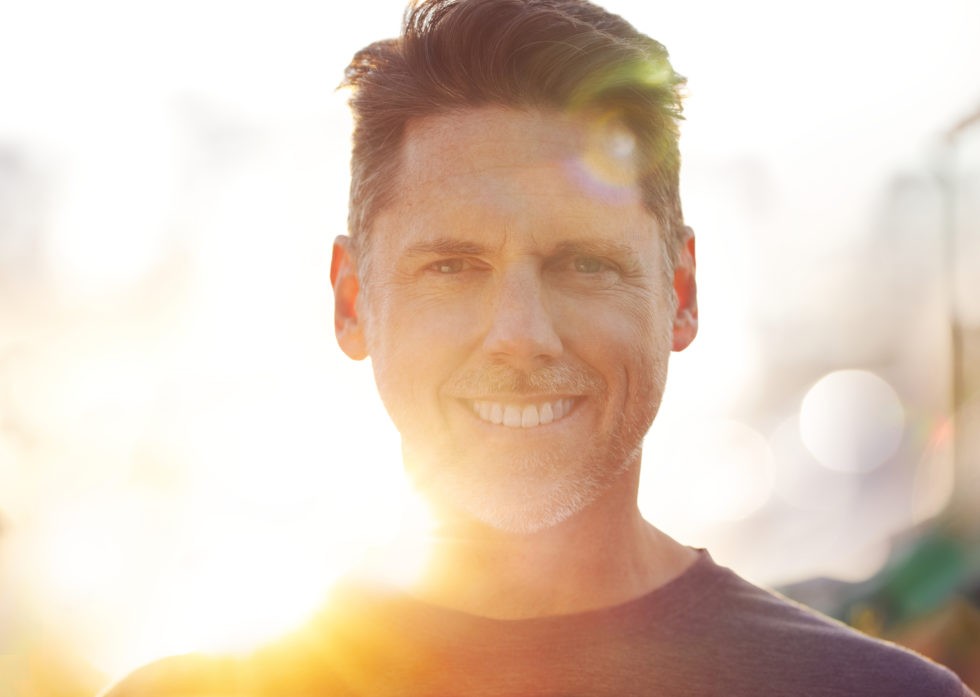
Tripp Lanier is a professional coach, author of This Book Will Make You Dangerous, and host of The New Man Podcast: Beyond the Macho Jerk and the New Age Wimp which — for over a decade — has been downloaded millions of times.
Since 2005, he has spent thousands of hours coaching people all around the world to get out of the rat race, become an authority in their field, and make a great living doing the work they were put on this earth to do. Over the years he’s designed several businesses to support a simple lifestyle focused on freedom, ease, meaning, and fun.
If you’d like to learn more about coaching with Tripp Lanier visit TrippLanier.com.
About Alyson Lanier

Alyson Lanier is a multifaceted expert at the intersection of psychological and spiritual healing. With a 30 year career in Psychotherapy that includes a BA, MA, and LPC in psychology, Alyson supplemented her education with extensive training and certifications in attachment work, Gestalt therapy, Transpersonal psychology, Shambhala Buddhism, internal family systems, and Psychedelic assisted psychotherapy. Her professional journey encompasses over 50,000 hours of therapeutic experience working with individuals, couples, families, children, and adolescents across clinical and private settings.
If you’d like to learn more about working with Alyson Lanier visit AlysonLanier.com
Transcript
Warm-up banter
Alyson: Hi. You were…
Tripp: We were talking about ice. Using ice sexually.
Alyson: Does it, if you had cold things on your body, is that arousing?
Tripp: No. Cold is not arousing for me. But I did have a buddy in college, and he had a person that he would be with, and she would blindfold him, put headphones on him, and play that… I don't even know the name of the song. It was like this.
Alyson: "Comfortably Numb"?
Tripp: No. It was just kinda… Anyway, I can't think of a song.
Alyson: "Feel the Noise"?
Tripp: No. It wasn't "Feel the Noise."
Alyson: "Thriller"? It was, like, a sexy song.
Tripp: And then she would use a piece of ice on his door number two, shall we say. And he would tell us about that.
Alyson: And then would she peg him?
Tripp: Like, gets a little area numb a little bit first. He didn't share anything about getting pegged.
Alyson: I wonder if they had that word back then. Like, was that a term that was used?
Tripp: I think pirates did. I think pirates used that word.
Alyson: Used it in the same context?
Tripp: No. I don't know about that. But there's all kinds of shit happening on those boats.
Alyson: That's true.
Tripp: You're out at sea for a while.
Alyson: A bunch of men out at sea. A boat full of testosterone.
Tripp: You're like, "Hey, let's just do this. I don't have to tell anybody."
Alyson: Take my leg. Take it. That's where that came from. Well, we're off to a strong start.
A listener's question about settling
Tripp: What are we talking about today? Okay, I know. Hold on. I got a thing here. This question is from a listener. His name is… let me think here. Frank Sinatra.
Alyson: The Frank Sinatra?
Tripp: Sadly, no. It's not the Frank Sinatra. His name is really Francis, but everybody calls him Frank.
Alyson: Oh, okay. Francis Sinatra.
Tripp: And he writes in…
Alyson: What does Francis do for a living?
Tripp: He uses AI to clean aquariums. He comes into your home and he cleans your aquarium.
Alyson: I would think that AI would not go well with water.
Tripp: You know, that's where our imagination fails us. We just can't comprehend the wave that's coming.
Alyson: That's what he said. That's what landed him the position.
Tripp: Yeah. So he says he's a big fan of the show. He even enjoys you, he says.
Alyson: Even? Well, I'm glad.
Tripp: I could see why that was a little backhanded.
Alyson: It's a show for men, after all. And you've been having a lot of female voice on this show lately.
Tripp: What's happening to this world? But he says he's got a concern. He has a big fear of settling in a relationship. He doesn't wanna settle for a partner that is not the person for him. But he wonders if that fear of settling is what keeps him from actually… How does he know that he's not just using that to go from one person to the next? And I think that's a great point, because someone could easily justify that they're not settling if they… What's going on over there? Feel a burp?
Alyson: It's not ready yet.
Tripp: We're on the pirate ship. Okay. So he's concerned that using "not settling" could keep him from ever finding anybody, never finding the right person, but also somehow keep him from ever really having a strong relationship.
Alyson: Is he in a relationship now?
Tripp: No. He's not in a relationship now.
Alyson: So his question is, like, should I settle? Or he's just afraid of settling.
Tripp: I'm paraphrasing here, but what he's describing is the concern that this fear of settling could easily be justified to never be in a relationship. You just keep finding things wrong. Of course, nothing's gonna be perfect, and so he just keeps going on down the road. I think this is a great point, and I think we should explore it.
Alyson: Yeah, it's a great point.
Tripp: Because I'm wrestling with this right now. This is personal for me.
Alyson: I'll start by saying no one can check every box. And I think that's a fair question. I know plenty of people. I've worked with clients. I can think of friends, people that I know in the community. At least a dozen people that I've come across over the years for whom this conversation has been up.
Tripp: Let's get specific about what that conversation is.
Alyson: So the conversation starts with the question of, is this the person that I really want? They don't check all the boxes. Does that mean this isn't the person that's right for me?
Tripp: Am I setting the bar too high for a person?
Raising the bar, "could I do better," and the endless faucet of options
Alyson: Yeah. I think it's really common to fall into a kind of fallacy or trap, especially with a certain demographic of people, females. I don't know if males do this, but females definitely are like, "He's not worth it. You can do better." There can be a lot of that regardless of what is actually happening in the relationship or what the guy is actually bringing.
Tripp: I think there's also the "could I do better?" thing.
Alyson: That's definitely on the spectrum. I think of a client who was perpetually thinking he could do better.
Tripp: I've worked with people that are dating, and with the dating apps there's always new opportunities.
Alyson: It's just like, gosh, what about this person?
Tripp: When do I turn off the faucet of new opportunities and just say, "Hey, I'm gonna go for it with this person"?
Alyson: Totally. I think one of the places people get stuck is the lens that they're looking through. There can be this perpetual have-not thing. Like what you just said, if there's this constant faucet of who might be available, or who might be better looking than the person you're with, who might have bigger breasts or whatever it is. Who might have more followers, if you're into that sort of thing, and you want somebody with lots of followers on your Instagram.
Tripp: To date somebody because they have more followers?
Alyson: People do that.
Tripp: You do that?
Alyson: I'm not even on social media. Actually, maybe I do do that, because you're on social media and you have followers.
Tripp: My 400 followers.
Alyson: You said your podcast has been downloaded millions of times.
Tripp: I'll just tell you that so you'll stay around.
Alyson: I'll take your word for it. I'm not gonna check. Anyway…
When "I'm not settling" hides a fear of closeness
Tripp: Let me add something else, because we're setting context here. There's also the type that maybe doesn't actually wanna settle down with somebody. Not settle for somebody, but they're just not comfortable being in relationship. And so the tendency is to find things and be like, "Oh, see, it's not gonna work."
Alyson: I'm glad you brought that up. I didn't know where to talk about that.
Tripp: And then they can use "I'm not gonna settle" as a justification for that. It can sound rather noble to say, "See, I'm not settling. This person had this aspect to them, so I'm doing the right thing."
Alyson: From my perspective, with the people that I have known and worked with that have a version of that going on, and I'm mass generalizing, not everybody, generally speaking it's their attachment style that is driving the dynamic.
Tripp: A lot of us don't know what attachment style is.
Alyson: It's how you got wired when you were really young, in terms of whether relationships or the world are a trustable place, whether relationships are safe and you're safe. You feel like you can settle with another human being in the room.
Tripp: Settle meaning calm down.
Alyson: Calm and comfortable and safe with intimacy with another person, with any kind of exchange that happens with other people. If you have that, then your outlook on relationships is gonna look really different than someone who never got that experience consistently. Somebody who didn't may feel anxious, may feel uncomfortable, may feel like they can't stay. In an intimate space with another person, they have a hard time staying.
Tripp: So without realizing it… Attachment theory helps us understand how we experienced relationship very early on, as very young people.
Alyson: Zero to eighteen months.
Tripp: Preverbal. We learned at that point whether relationship was a safe place or maybe not so safe, or chaotic, or whatever.
Alyson: We learned whether our needs will get met.
Tripp: Right. Or not. But nonetheless, we still have a desire to be in relationship. We still have a desire to connect with others, but then there's this wiring that says, "Wait a second, this may not be okay." There are free tests online. You can figure out your attachment style. They're kind of fun or depressing, depending on what comes up.
Alyson: I've never taken one.
Tripp: I've known people that have done this. You're like, "Oh, wow, I didn't realize I was the one doing this," and it explains some of how relationships occur to me. It can be really enlightening, and it doesn't mean you're broken or anything. We've all been kinda dinged up and dented from time to time.
Alyson: Too bad you don't run ads. This would be a great time to plug whatever test you just talked about.
Tripp: Anyway, what you're saying is that if we don't understand our attachment style, we can use someone's flaws to justify… If I don't feel good in relationship, I'm gonna look for an opportunity to eject.
Alyson: I don't think that's somebody using their brains to do it. I think it's so fundamental that people might not even be able to come up with reasons, but it's just not right. It doesn't feel comfortable.
Tripp: Things are going great, and even though things are going well, they'll say, "Something's not right here. I've gotta get out."
Alyson: Depending on how extreme this is in a person, and there are varying degrees, there can be this dissonance of, "This might be right based on an ideal or an idea," wherever they got that idea. But because they've never felt that place of settled, calm, nervous-system-regulated…
Tripp: "I'm at home here."
Alyson: It's never right. On a visceral level, it doesn't feel right.
Tripp: So it could check the boxes in terms of what it looks like, but it doesn't feel right.
Alyson: Yeah. I'm thinking of a friend of mine, a very intelligent, cute, smart person. The reason I'm saying this can be a gray area is that she can justify six ways to Sunday why this person is not right for her. But it's really her attachment style. She's the avoidant one. Whoever is close to her or getting closer, she will put back at arm's length. That's just her style. And not knowing that can cause a lot of suffering for people.
Tripp: So on one hand, there's this attachment aspect of not recognizing where we are the ones creating distance and pushing people away. And having compassion for ourselves, because it's just really uncomfortable having closeness.
Alyson: Totally. Most people aren't in that part of the conversation when they're assessing the person they're deciding whether to be with or not.
Tripp: Right. The view is, "I'm gonna look at their flaws and look at what's happening over there."
Self-sabotage and fear of being truly known
Tripp: I imagine we could also be self-sabotaging. "I don't measure up." I've heard this too. "I know there's something wrong with me." There's still this "I don't deserve to be here. They're gonna leave me later on." I've heard that come up.
Alyson: Yeah. The classic one, which can happen whether you have attachment stuff or not, is "They don't know the real me yet." Or "They don't know my deep, dark, shameful secrets." Or they don't know that I have this gross mole. I'm thinking of somebody that has alopecia. They want to be in a relationship, and they're terrified that there will come a day when the intimacy gets such that they're gonna have to reveal that they're balding. They have these spots on their head. They're wearing a weave. And so there are deep fears that have to do with "Will you love me? Will you accept me? Will you still want me?" based on things that aren't culturally acceptable, or maybe not pretty or sexy.
Tripp: That's a physical aspect, but there's a lot more. I'm very aware of guys playing a role in order to be liked. It's not who they are, and they know it's not who they are. And nonetheless, they feel like they've gotta be this guy.
Alyson: Mostly everybody does that at first. That's kind of just what you do.
Tripp: Okay. But just recognizing that we want relationship, and then there's also a fear that once the relationship crosses a threshold, we're gonna get to a place where we really start to get to know one another, and that will be dangerous. That will not be a safe place. And so we might start to look for ways to sabotage or push somebody away. One of the ways we could do that is to say, "Well, I'm not settling. This person isn't the right person." I just wanna bring some context, so if somebody's out there dealing with this, they can maybe recognize which path they might be on.
Different people want different things from partnership
Alyson: For sure. One of the reasons this is a good topic for a podcast is that it's such a deeply personal decision. Every single person has their own path, their own constitution, their makeup, their attachment style. They also have their own lifestyle. Based on their lifestyle, some people might wanna prioritize work or travel or something other than partnership. And so choosing a person who checks the boxes of being a companion, a source of support that creates a sense of security, might work really well for someone. Whereas for another person, there might be a much greater need for alignment with long-term goals, or priorities, or shared activities, or even shared values. For me, I couldn't be with somebody who was shallow. I have to have interiority and depth. For another person, they might want a lot of emotional and interpersonal intimacy and depth. And for another person, that's just not on their radar.
Tripp: They just want…
Alyson: Somebody to travel with, or somebody to play tennis with. There are lots of different reasons that people choose to partner. The word "settling" can get stigmatized in a negative way, like "purpose." Purpose can become so positive that we lose the plot of what purpose is about. Settling can be like that too. If somebody thinks another person is settling, there can be a negative connotation, when in actuality that might be perfect for that person. And I'd circle back to the attachment thing. In the case of my friend, whose attachment style is to create distance, it's actually good for her to practice having somebody there even when she pushes them away. They're gonna stay.
What are you really playing for?
Tripp: I wanna dig into it, because there's another aspect, which is that I can keep people away if I raise the bar and have a checklist of what a person should be. I imagine there's a process around that, which is sussing out: by raising the bar to this degree, am I essentially sabotaging myself and my ability to have a relationship? And then there's another part, which I think is what you're getting to, which is really getting clear on what the aim of having a relationship is. What works for me? What am I really hoping for? For a lot of us, we never do that. We're just trying to solve the problem of "I don't wanna be alone, and I wanna have somebody fun to hang out with and screw." It really starts at a pretty low level.
Alyson: I have to interject, because that's actually part of why nobody checks every single box, and nobody can be your ideal, because your ideals change over time. If you're 20, who your ideal mate is is gonna be really different than when you're 40 or 60 or 80.
Tripp: I never thought I would date a 51-year-old. Ever.
Alyson: I know. And here I am.
Tripp: And there's your side piece. She's 51, because you're married to someone. Who are you dating that's 51?
Alyson: I'm 52. It's fun.
Tripp: I told you I'd go younger. She's two months younger than you.
Tripp: Alright. Let me find my thinking here. There's the attachment stuff. We wanna learn to recognize where we have a tendency to push people away and convince ourselves that we're doing it from a place of higher ideals, when really we're just playing defense. And then there's an opportunity to ask, what is it that we really want in relationship? I like to play the game with my clients: what would you be excited to commit to? What would have you excited to commit to a person and a path? What are you guys creating? And what I've found is that when the relationship encourages greater freedom and expansion and aliveness, they're really on board. When we think of relationship as a place that becomes limiting, a trap, "I'm stuck"…
Alyson: Like the have-not.
Tripp: Yeah. Why would I wanna commit to that? That sounds like a drag. So I love to help people get into that place of "what would be expansive?" How could the relationship encourage greater freedom and aliveness? And then we might start to reveal the attachment stuff. It might be, "Oh, it's still spooky." Here's a person that supports this for you, and yet you've still got a foot on the brake. That could be an opportunity to highlight the attachment work, work with somebody like you or somebody else, and heal some of that or get some tools around it.
Alyson: Just as much for somebody that doesn't have that and wants to create a great relationship, but finds themselves in places of frustration and dissatisfaction and doesn't know what to do with it. They've decided they want to be with this person, but they're stuck in some frustrated place. That's a great place to work with me too.
Tripp: When we start to name what we want and put it on the table, it's an invitation. "Hey, what about you? What would be exciting for you?" And ideally, the person isn't just like, "Yeah, whatever you want, I'm fine with it." No, that's not a good answer. What's the win for you? And what that challenges us to do is get into a place of co-creation. That may be difficult for some people that just wanna stay in the kiddie pool and trot from one lily pad to the next, because it's fun to go through the new and the exploration, and then when things get…
Alyson: Unboxing.
Tripp: Yeah, just do the unboxing thing. But the real work is, "Okay, this is what I'm working on in my life. This is what I'm moving towards. You've got yours, and we're working on this together." Then there's the work that requires. And we might realize, "I don't wanna do the work. I just wanna do the shallow unboxing thing." But I don't need to say I'm settling or not settling. You can just own it. "I'd love to unbox shit and then go buy another one and unbox the next one." Or if there's a fear underneath there, that gets unpacked. I like this question: what am I really playing for? What am I really wanting? Bringing that to the table will start to reveal what's in the way.
Resentment as a tell
Alyson: I totally agree. I use that as a kind of navigational north with people as well. It's like a values alignment exercise, and it helps them figure out: is deep connection important to me? Do I want connection? What are my fundamental needs? What are my greater wants? What helps me feel alive? Then there are people who are just young enough that they don't know yet. And I think part of what can help unpack that is to notice if you're feeling regret and resentment with somebody. That might be a tell that you're wanting something more. If you feel like you're constantly compromising… There's a saying that you lose yourself in a relationship.
Tripp: What do we need to do to preserve the relationship is far different than how does the relationship serve each of us to continue to grow.
Alyson: That's a very different orientation. It can be death by a thousand cuts, or it can be big, but those are, like, tells. Those are places where you can practice some self-reflection: "I'm noticing I feel resentment right now, or regret, or dissatisfaction or frustration." And it's not just because they're doing this or not doing that. I'm pegging it on them, but what's going on for me? I think another place…
Tripp: There's that word "pegging" again.
Alyson: This is highly personal, as I talked about. Intimacy might not be a value for somebody where it is for somebody else. But emotional connection versus disconnection: if there's a significant lack of emotional connection, or attraction, that can be a deal breaker for people. Now, there are people in the world where that is not on the list.
Tripp: You can tell by how they dress.
Alyson: Be nice. But for the people that attraction and emotional connection matter to, the relationship may feel more like an obligation and a burden than something fulfilling. Just for the listeners out there, he keeps making faces at me because I tend to have a wardrobe, when I go in my garden or I'm just in my house, of old raggedy clothes. I should have a big sign on my shirt that says… What is it?
Tripp: "You don't need to give me money. I'm not homeless." Something like that.
Alyson: I like my really old clothes. I have a house. I have a home.
Tripp: "I'm good. You don't need to give me money. I sleep indoors."
Alyson: I sleep indoors.
Tripp: Believe it or not, I sleep indoors.
Alyson: Okay, good. I'm glad. You're just highlighting what matters to you. That's good. That's a whole different conversation, how to navigate what matters to one person and what doesn't to the other.
Tripp: Should we unpack it now? You think it should be?
Alyson: I wanna finish my point, Tripp Lanier.
Tripp: Sorry about that.
Alyson: So the other thing is, if you're young enough or new enough in relationship, your arc of journey with different relationships, and maturing, and "what is relationship for you, what do you really want," the aliveness and the freedom and the love and connection, all of that is so new that you're gonna wanna, as I've said before, play the field. You might want to try on different things. And the reason for that, I think, is that if you can stay with what has you feeling excited and open and alive and engaged, that will lead you to lots of different personality types and lots of different experiences. That may not just help you feel like you're having a more fulfilled life, but it might also lead to finding another being who gives you a fulfilling relationship.
Growing together, and the life review
Tripp: Well, I wanna speak to that, because some folks do marry young and they stay in relationships, and so the relationship can find its foothold. It would be easy, if we're unconscious, to say, "What are we doing to protect the relationship? What are we doing to keep things in the comfort and the familiar zone?" Instead of coming back to, "Okay, we are continuously evolving. We're not the same people we were in our early twenties, or even in our thirties." Just coming back to, where is aliveness now? Where is expansion now? What's going on for you? How can we be partners in that? How can we be supportive of one another in that? Instead of you wanting to change or explore other arenas, even if it's just hobbies or things that take you out of the house, it can feel like a threat. And that can be a place where it's like, "Oh, I'm settling. My partner doesn't understand my desire to go travel or do these things," instead of, "Let's just talk about that, and how can we support each other in that?" And ideally, we feel supported by our partner to explore and enjoy the world within certain agreed-upon structures, let's say.
Alyson: I actually wanna back up and zoom out here, because you just said "ideally, we want a partner that…" And I wanna acknowledge that this is our personal bias. I agree with you, but there are people that may not think or feel or believe that partnership is about helping yourself and the other person live your best life. It might not be about growth and challenge and new experiences and new depths at all. It might just be about stability, convenience, structure, safety.
Tripp: That works for them.
Alyson: Usually, when people decide to go that way, it's either out of fear or convenience.
Tripp: But if they're listening to this, chances are there's a rock in the shoe, and it's been bothering them. "Am I settling? Is this right? Am I raising the bar too high? Are my expectations for my partner too high?" If they're listening to this, I wanna help them come back and find a north star for themselves.
Alyson: For sure. And even if they're searching, they find this because inevitably, every human will go through, at least once, a point where they're facing their existence. There's this life review of, "Am I living the life that I need and want to live?" That's gonna show up in your bones at some point. And when that happens, those kinds of choices can come back and bite you. And most people will then turn condemnation onto their partner, instead of backing up, zooming out, engaging their partner, and inviting them into this life-review type of conversation. They can rewrite the values in the partnership around, "Hey, I still wanna be with you, and I'm noticing that I want more. I want more of this for me in my life, and I want more of this for us." That is usually not a one-off conversation. Sometimes it takes time, because the other partner might have been flitting along happily as things were. That's where there can be a big pull.
Tripp: The one thing I wanna speak to is that when we use terms like "settle," it's vague. And so this idea of "am I settling" can go to "it's selfish to want more." We can really mind fuck ourselves.
Alyson: It's a big mess.
Tripp: Whereas if I can get specific about what I'm wanting, even if it's just the experiences, "I'm wanting to experience more of this, less of that."
Alyson: And our needs too. I think there's a thing around being willing to out yourself on what your needs are.
Tripp: Yeah. And it's not my partner's responsibility to give that to me, but perhaps my partner could be supportive of me going and creating that for myself in my life. I think if we can get specific, the question is not so much "am I settling." The question is more "what would have me feel more expansive?" or "what is it that I'm wanting?" or "what is it that I'm fearful of?" Bring those things to the table and start to discuss them, whether it's with your coach or whoever you're working with, and lay those out. Then ultimately there's a conversation to be had with your partner. That can help you see whether you're doing the self-sabotaging thing, or you've got some weird attachment stuff going on. It can also just help you see where you're limiting yourself. You're stepping on the brake because you're afraid to disrupt what you've already got. But I wouldn't wanna stay in this vague "am I settling" and not move into the specifics. Those are all workable. Let's start to see how we could go about allowing more of those things into your life.
Five deal breakers, everything else workable
Alyson: Absolutely. I totally agree. This may not fit for the younger population, but one thing I borrowed from Gabby Reece, I think. Is that her name, Laird Hamilton's wife?
Tripp: Good job.
Alyson: Did you interview her?
Tripp: I did.
Alyson: Yeah. Somewhere around when you interviewed her, I think it was for her book, I read her book and I really liked it. There are tidbits of wisdom in that book that I just adore. I won't go into all of them, but one of them I have borrowed and continue to use with people. It fits well for people that are in this kind of conversation with themselves and maybe their partnership. I'm rusty, it's been a minute, but essentially it's: make a list of your top five deal breakers. Whatever's on that top five, no matter what else happens, if one of those five things happens, you're out. The relationship is no longer happening. I did that practice. For me, it would be affairs, that kind of thing. Broken trust in big ways. Being abusive, treating somebody with disrespect. But in her book, she says, make a list of those top five deal breakers. Look at them. Know them in your heart. Whatever goes on that top five is coming from your core, and everything else is workable. I love that, because she's right. Everything else is workable. That can be your attachment style. That can be figuring out what matters to you and what doesn't. That can be wanting deep connection and not knowing how, and feeling afraid of it. All of that is workable.
Tripp: I wanna emphasize "workable," because what that says to me is that it's a conversation to be had. Not "I look the other way and I just stomach stuff." Because I think that's part of what settling is.
Alyson: In a negative sense, it can be making concessions we don't really wanna make.
Tripp: "I tolerate this thing, but I don't speak up about it, or we don't talk about it." That can create resentment, a lot of poison. But "workable" to me means we're gonna figure this out together, work through this together. It's not something I'm just gonna sweep under the rug. There's something active about it. It's above ground, instead of "No, I'm just gonna tolerate this." Because as soon as that resentment and contempt start to take hold in a relationship, it's really, really hard to turn that around.
Alyson: Now you're speaking to some of what I do with people. It's no longer about this relationship. Now you're in relationship with your contempt, or with your judginess, or the lens you're looking through. You've actually left the relationship, because you're not talking to your partner about it. You're just hanging out talking to the negativity. There are a million variations of that. But to the concept of "everything else is workable," how I interpret that is, those five things are what have me leave the relationship, stop being in relationship. Everything else has me stay engaged in relationship, with whatever needs to happen.
Tripp: And it keeps things from being "Oh, it's gotta be perfect all the time." There will be challenges, but we can work through them.
Alyson: For sure. And keep that true north again of why we're working through these challenges. There are plenty of partnerships, and I know lots of them, where they wanna do this work, and then they get into it and lose sight of why they're doing it. And then it's like, "Oh, this is too uncomfortable. Why are we even doing this?" And it's like, whoa, whoa, whoa. What are we doing this for?
Tripp: Right. Great.
Alyson: Any other final jokes about pegging that you wanna weave in?
Tripp: Anything you wanna say about pegging?
Alyson: No. Is pegging a deal breaker for you?