

Podcast: Download
Subscribe: RSS
What’s Really Holding You Back: How to Get Stuff Done — Alyson and Tripp Lanier
Do you believe you need to be motivated or “ready” to make a big change?
Do you beat yourself up when you get stuck?
And why do so many capable people struggle to get stuff done?
Today Alyson and I take a look at the roadblocks and necessary ingredients required to make lasting, positive change. Whether you’re stuck in the ditch or simply making life harder than it needs to be, we go over some practical ways to get aligned and get things done.
In this conversation:
- What creates lasting change?
- The harsh inner critic that drives hustling and grinding
- Running away from something or moving towards what matters
- Why you don’t need motivation
- Learning to recognize resistance
Plus:
- Firefighting your way through life
- Getting out of magical thinking
- People that lift you up or hold you back
- Why we fear success
- Slow down and have fun
About Tripp Lanier
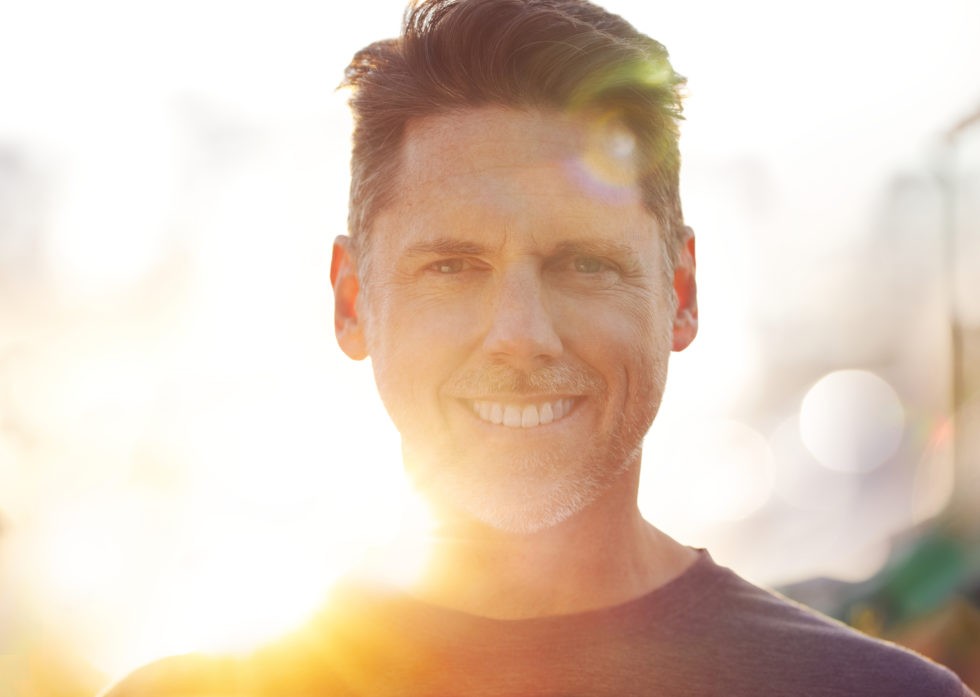
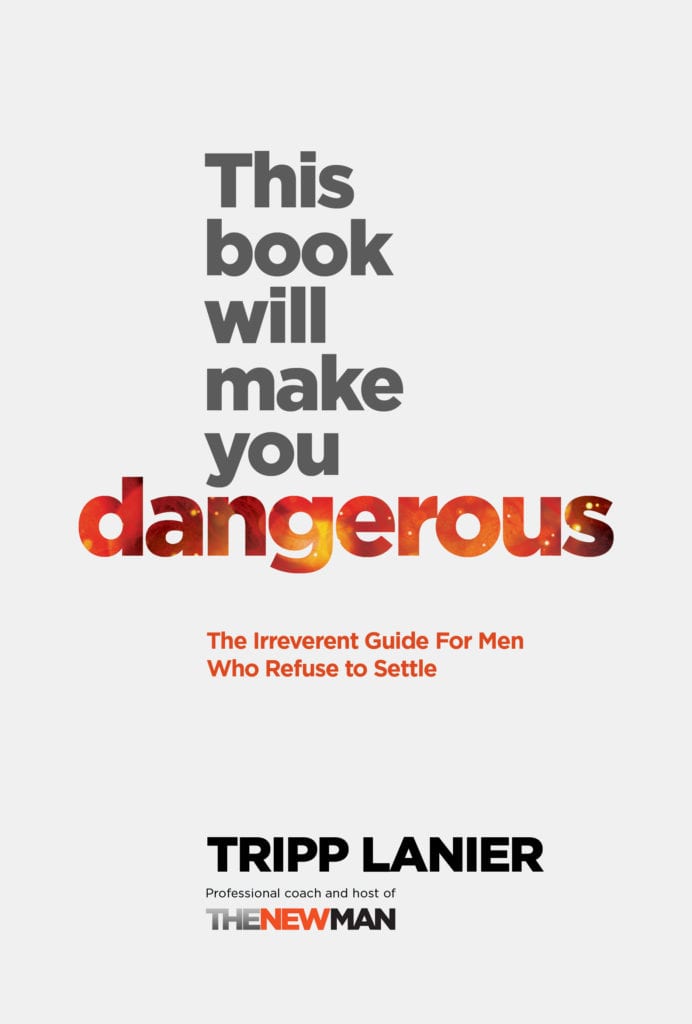
Tripp Lanier is a professional coach, author of This Book Will Make You Dangerous, and host of The New Man Podcast: Beyond the Macho Jerk and the New Age Wimp which — for over a decade — has been downloaded millions of times.
Since 2005, he has spent thousands of hours coaching people all around the world to get out of the rat race, become an authority in their field, and make a great living doing the work they were put on this earth to do. Over the years he’s designed several businesses to support a simple lifestyle focused on freedom, ease, meaning, and fun.
If you’d like to learn more about coaching with Tripp Lanier visit TrippLanier.com.
About Alyson Lanier

Alyson Lanier is a multifaceted expert at the intersection of psychological and spiritual healing. With a 30 year career in Psychotherapy that includes a BA, MA, and LPC in psychology, Alyson supplemented her education with extensive training and certifications in attachment work, Gestalt therapy, Transpersonal psychology, Shambhala Buddhism, internal family systems, and Psychedelic assisted psychotherapy. Her professional journey encompasses over 50,000 hours of therapeutic experience working with individuals, couples, families, children, and adolescents across clinical and private settings.
If you’d like to learn more about working with Alyson Lanier visit AlysonLanier.com
Transcript
Tension at the Start and a Letter from Jackson
Tripp: Good morning.
Alyson: Morning.
Tripp: I feel some tension between us.
Alyson: Between us. What do you think it's about?
Tripp: I'm not saying.
Alyson: You're gonna name it and then not say it?
Tripp: Sign up for my relationship course. Your communication course. You're tense.
Alyson: How to have honest, clear, authentic communication?
Tripp: I'm not saying it. You figure it out. This is a free module in my relationship course.
Alyson: I'm glad it's free. How does it start? Give us some points on, like, if you get the free module, here's what you'll get.
Tripp: How to drive your partner insane. How to make them walk on eggshells.
Alyson: How to communicate with…
Tripp: Nothing. And it just stops at "fair."
Alyson: So you don't know what's coming.
Tripp: How to just walk in the dark everywhere and not know what the fuck's going on at any time. How to have contempt and resentment.
Alyson: That's it? Do people really need to learn how to have that?
Tripp: Well, they could level it up. You can always level it up.
Alyson: I wonder…
Tripp: Self-righteousness. How to be self-righteous. Do you wanna talk about the movie I saw?
Alyson: No. I do not wanna talk about the movie. Thank you.
Tripp: I loved it so much. I don't think I've ever watched a movie back to back.
Alyson: I've heard plenty about that movie, and I'm good.
Tripp: We should watch it this week.
Alyson: I think you could do a solo podcast about that movie.
Tripp: Okay. Let's go.
Alyson: I have a letter for us. For you, actually.
Tripp: Did it come in the mail?
Alyson: Yes, it did.
Tripp: Is it from your mom?
Alyson: You could still call them letters. It's a submission. Should we call it a submission, as opposed to an omission?
Tripp: Okay.
Alyson: Alright. You ready?
Tripp: I'm so ready.
Alyson: Okay. This guy's name is Jackson Wilder.
Tripp: Jackson Wilder? Okay.
Alyson: So he says, "I'm a newly divorced dad with big plans for building a real, successful business."
Tripp: Alright, Jackson.
Alyson: "Right now, I'm a full-time employee at a marketing firm."
Tripp: Okay.
Alyson: "I'm an AI brand psychologist for emotionally unstable chatbots." He helps algorithms process their, quote, feelings so they can sell products without sounding like sociopaths. "I'm trying to build something big on the side. I've got structure on paper. I wake up at 4:30 a.m., so I have a few hours before work to move the needle. I take two hours after work, and I'm dedicated to building this thing. But in reality, I keep defaulting back to old patterns. I'm sleeping in, telling myself I'll start tomorrow. And then I beat myself up for it and spiral into feeling like I'm just pretending I want a bigger life. I feel lazy. I feel stuck. Like something in me wants forward movement, but something else keeps pulling me back into comfort and familiarity. So here's what I'm actually trying to understand. Why do some changes feel almost impossible to sustain even when you're clear about what you want? What does real commitment look like when life is already full and exhausting? How do I build momentum when I'm starting from scratch and everything feels heavy? What actually creates lasting change: mindset, structure, environment, or something deeper? And how do I rebuild confidence when my track record of follow-through sucks?" So that was Jackson.
Tripp: What do you think you should do?
Alyson: That's Letters to You.
Self-Worth, Shame, and Motivating from Fear
Tripp: Like, I don't wanna fucking deal with this. Well, first, I wanna name how common this is. There are scenarios like this I hear a lot.
Alyson: Did you just say how uncommon it is?
Tripp: No. It is common. But there's a place where we say we want something and then we don't follow through, or something gets in the way. That gap between what we say we want and how we're acting kills self-esteem and kills self-confidence. It's really tough, and it can become a private battle. We just beat the shit out of ourselves, and it starts to frame, like, am I worthy, am I a good person, am I a piece of shit? There's just a lot that goes in there.
Alyson: Self-confidence too.
Tripp: Yeah. So I wanna name right off the bat how loaded this conversation can be for our self-worth. Am I worthy as a person? Am I worthy of good fortune, of good things? But then also our self-esteem, like how we treat ourselves. I might feel justified to beat myself up or to treat myself like shit. Esteem is respect or regard. So it's about watching how those two things get impacted by our follow-through. I've seen a lot of conversations around this that were rooted in poor self-worth and poor self-regard and poor self-esteem. And when we're rooted in that place, you end up in hustle and grinding culture. If you don't believe that you are a worthwhile person, then you will just drive yourself into the mud and deprive yourself of any enjoyment or any rest. There's this justification to treat ourselves like shit. So I just wanna name that right off the top.
Alyson: I'm actually thinking of a client when I read this letter. If we were to break that down into different parts of us, I see where he talks about this thing that he wants to do with his life, and it's good. It's rooted in something real. He has some chops in what he wants to do, some experience, some know-how, some clarity on what could be helpful for the world. And then I watch how he moves into a different part of himself where he's deeply self-critical, and he gets ashamed, and he just kinda collapses. And from there I watch him go to a place where it really feels like he's motivating himself from fear. It's in reaction to the part that's being really shaming to him.
Tripp: Right.
Alyson: And that's what I'm hearing you say.
Tripp: I recently had a conversation with someone about a part of them, with regard to their physical health and their eating patterns. It was a protector, and it really didn't want them to get sick. It didn't want them to get fat. And so it just beat the shit out of them. We talked it through and realized that this part was doing the best it could, because it wanted him to be healthy. But it also didn't want him to be bullied and didn't want him to have some of the shit that happened earlier on. So there was this justification to treat himself with low self-regard, low self-esteem, low self-respect, in order to get things moving. So I wanna name how often this stuff can be rooted in that place of "don't be a piece of shit," and then we just pile on, and it usually makes things worse. It doesn't make it sustainable. It seems like a good strategy, though. So I like to try to clear the decks first as much as possible, because then it's just, okay, what if this isn't personal? We still wanna be healthy. We still wanna build a business or whatever. We don't have to do this from a place of "don't be a piece of shit." I think it's incredibly important, because if you look around, you can see where people abuse their bodies in order to look a certain way, or in order to be, quote, strong, but they're full of injuries and full of just doing dumb shit to their bodies in order to appear a certain way.
Alyson: So what do you think is going on with that, if that's what's happening?
Tripp: That can also be one of the reasons why they're not able to stick to what they wanted, because intrinsically, they don't really want the outcome. They're playing not to lose. They're playing, what do I have to do to not be a piece of shit? So they're not moving towards anything that they really want. They're just running away from something. That might mean, as soon as I get out of this crisis where I don't feel like I'm a piece of shit, as soon as I'm off the edge of that, I stop. The fire is no longer there. I don't feel the heat anymore. And so they're not really motivated to build the business. They're not really motivated to get into great shape. They're not really motivated to change x, y, z about their relationship. They're just motivated to get away from something. And as soon as they get some distance from that, the motivation comes down.
Alyson: But if it doesn't start from that cycle of shame and lack of self-confidence, and trying to run away from that or be protected from that, if it just starts in an innocent way, like in Jackson's case, he just has a side gig he wants to build, but he wants it to become this monster business.
Tripp: Yeah, I think it's great. It's good to kick the tires and check what's really driving somebody. Because, like I said, we might have a foot on the brake. Why do I keep letting off the gas? It's usually one of those reasons. So I like to make sure we get that out of the way, because sometimes it's like, well, if you didn't have anything to prove and you weren't worried about being a piece of shit, would you still want this business? Would you still want x, y, z? And they're like, no. I wouldn't. I'm like, cool. Well, then let's not bullshit ourselves.
Alyson: Right. Let's not bullshit ourselves in some ways. You're getting to the deeper why. What are you really motivated by?
Tripp: Somebody says, I really want x, y, z. I wanna know. Do you really? Do you really want that, or do you really wanna avoid something? And if we get a sense that you really want a thing, genuinely, intrinsically, then we're setting ourselves up for a different game, and it's usually a lot easier. It might be a mix. It's not black or white. There might be elements of, yeah, if I did this, I wouldn't be a piece of shit, or I'd feel better about myself. But I think it's important to name that stuff.
Motivation, Resistance, and Starting Small
Alyson: Okay. So why do you think this is happening?
Tripp: I think there are a lot of reasons why this is happening. I think we can take an integral approach. I don't think we're gonna get through all of this stuff today, but there's some big stuff that I see. One of the first things is a mindset where we are depending on motivation and inspiration. We're getting jacked up. We're trying to be in an elevated state all the time. And that is really hard to maintain, because our brains essentially adapt. What got us into that state last week doesn't get us into that state anymore. We need more of the same thing. Like porn. So if we're shooting for that, needing inspiration and needing to be in this altered state in order to get going, we've got a recipe for trouble.
Alyson: That's outside-in.
Tripp: Yeah. Sometimes that can be good and helpful, but if we're depending on it, or it's like, I'm not motivated, therefore I'm not doing anything, that's tough. I don't need to be motivated to brush my teeth. I can just go brush my teeth. I don't need to watch Tony Robbins jump around on stage. There's an element of, oh, if I'm not motivated, if I'm not fired up, then I must not be on it. There's this weird kind of validation that we're…
Alyson: Slow down for a minute, because I've heard you say this before. You don't have to be motivated to go brush your teeth. You just go brush your teeth. You don't have to be motivated to go to the gym. You just go to the gym. But so many people wait until they're motivated to do the thing. When you say that, what are you expecting to happen for a person? Just go do the thing?
Tripp: This brings up integrity. If I know something is genuinely good for me, and it's something that strengthens me, I don't have to be in the mood to do it. If I know that this is what's necessary for my body or my relationship… And I'm not talking about martyrdom. There's nothing about it like that. It's just that I do certain things in order to take care of myself. I don't have to jack myself up in order to go do those things.
Alyson: Because you're in touch with True North.
Tripp: Yes. And this can also be used for kinda evil. It's like, don't be a piece of shit, and I can push myself and grind for things that are rooted in a different reason for why I would do them. But ultimately, I can just know that this is where I'm strongest and these are the things that make me strong. I'm probably gonna feel better after my workout. I'll feel better after I complete the task that I've been avoiding, that phone call or whatever it is. I just have a deeper knowing of, that's the thing I need to do. I said I was gonna do it. Then just go do it. It doesn't need to be really complex, and I don't need to sit on my therapist's couch and stare at the ceiling and go, gosh, what's in my way? I just don't understand. Must be something from my past lives. It's like, no. It's just resistance. And I think part of that is understanding the nature of resistance. Earlier in his letter, he talked about all these different things he was trying to do. He's waking up early, and there was a lot of new stuff. All of that is outside of his familiarity or his comfort zone. If you don't understand the nature of resistance, it's going to resist anything that is unfamiliar or new or uncertain. Of course you're gonna resist that stuff. Of course you can expect to have a hard time implementing and integrating these new behaviors, especially if you're changing things all at once, like all of these different things.
Alyson: He seemed like he was trying to do a complete makeover of his whole way of being.
Tripp: Right. And that's really hard. There are a lot of people who come out of the gate in January, new year, new me, I'm gonna change everything. And then they get yanked back. So I think part of the mindset is understanding how change actually happens. It's usually built on smaller things. It's not sexy, but it's changing things a little bit at a time and integrating them so that they feel rather normal. It's like, yep, this one's no big deal. I get up a little earlier, maybe not 4:30, but a little earlier, or I do x, y, and z instead.
Alyson: Slow and steady wins the race.
Tripp: Slow and steady is way better, especially if you can have fun with it. But it's usually not sexy. There's a part of us that's running away from something, like there's a fire alarm going off, and we have to change everything right now. That's why I like to calm that part down as much as possible and say, we're going on a long walk here. It might take a lot longer than you think, or it might go a lot shorter than you think. But if you're trying to run away from something, you're gonna do all this crazy shit all at once, and then you're gonna find this equal and opposing force that comes along and says, no. Stay exactly where you are. So learn to expect that resistance. It doesn't mean that it's bad or wrong or you're not ready. There's all these things that we're waiting for it to feel ready, like, well, I just don't feel right. Of course you're moving outside of what's…
Alyson: Of course it doesn't feel right, because that's new.
Tripp: Yeah. So if you can expect this stuff to show up, it doesn't mean that it's bad or wrong. It just means that it might not be very sexy to change everything all at once and do something dramatic. It might sound cool to tell all your friends that you're doing all this crazy shit, look at me, look how badass I am. It's less sexy to be like, yeah, I did fifteen minutes today, and I'll do twenty minutes tomorrow. But that usually is what has way more of an impact.
Real Commitment, Valuing Your Time, and What Fits
Alyson: I'm reviewing some of the things he wants to understand, and it sounds like you're addressing some of them. He asked, why do some changes feel almost impossible to sustain even when you're clear about what you want? I heard your answer to that. And he asked what real commitment looks like when life is already full and exhausting. You also spoke about that, in terms of don't do a full-on overhaul of your life. That's not gonna work, especially if your life is already full and exhausting. What are you gonna do to take care of yourself, to make yourself stronger? It might have nothing to do with building that business. It might be an indirect connection to building that business. But brushing your teeth, getting enough sleep, going to the gym, something like that. Those are indirect supports to having the energy and the clear mindset or the motivation.
Tripp: Yeah. If I don't have a lot of regard for myself, then I don't value my sleep, I don't value my health, I don't value my time, I freely give it away. I don't value my attention. I'll give that away freely. When I value myself and I value my life, then I protect those things. I start saying no to things that are out of alignment. If I say my body matters and my time matters, then I start to get fierce about what I allow them to go towards. And this idea that we can carry seven gallons in a five-gallon bucket is insane. We certainly can't do it for long.
Alyson: You just get more buckets. Said the ADHD person.
Tripp: Listener, if you could take a look at the room we're in right now.
Alyson: What's wrong with my beekeeping storage room?
Tripp: It looks a lot like the other beekeeping storage rooms, like the one in your bedroom and the one in the…
Alyson: Oh, that's just temporary. That's until Thursday.
Tripp: This is a cry for help.
Alyson: I was gonna take care of that today, but I'm doing this with you instead.
Tripp: Anyway, back to space. Where's this expectation that I can do all the stuff I want? That I can do it all without rest, without energy, without attention, or with split attention? It's not a professional way to look at it. I ask people, if this was your job and you were given $5,000,000 to build x, y, or z, or to get in shape, whatever it is, how would you go about it? And people suddenly snap into a different frame of mind. It's like, well, I'd hire the best people, and I would clear my space to do x, y, and z. Well, there you go. Look at how things line up differently. Now it really matters. So if you can close that gap between how you would act if you were being a professional about this versus, I'm just gonna kinda dick around and hope that it works out. I say it's super important, but I don't really invest in it that way, and I don't set boundaries with it. I think that's really telling of where our mindset is.
Alyson: Yeah. And I wanna be careful, because Jackson's letter spoke to this, and I'm thinking of the client I referred to, and what we started off talking about, the self-criticism and the shame. There's an easy place to backslide with what you're saying. You said earlier that if you value your life, or if you value the thing that you say you wanna do, you'll do it differently.
Tripp: You'll protect it.
Alyson: You'll protect it. And I think that can be a slippery gray area for people, because people value all sorts of things. It doesn't necessarily mean that they don't value their life or the thing that they want if they're not going after it. But there might need to be a different conversation, like you were saying: what is it that you really want? What do you need to turn pro on? Who do you need to be in order to get to where you say you really wanna go? Because you can still value these other things, but if you line them all up, you can't fit all of them into that bucket. So which one's most important, or which one do you really wanna go for? That's a little different to the ear, because it doesn't have the part that is self-condemning.
Tripp: Well, I think there's gotta be an adult in the room that says, yes, you wanna take all your toys on the trip with you. You cannot take all the toys. You need to pick the ones that'll fit in this part of the suitcase. If I don't understand space and time, and I'm in this magical world like a child… What's going on over there?
Alyson: I just had a hangnail. It's right here on this finger.
Tripp: Oh my god.
Alyson: Who are we talking about?
Tripp: If we don't understand space and time and how things actually fit together, then we will live in this magical world where it can all fit in. So I guess what I'm speaking to is, if we really value a thing, we can't assign the same value to everything. We might say, hey, this has to go. If I say this is really important, then this and that other thing may not fit in anymore, at least for now. Maybe there's a time later when it can fit in. But for right now, it's not gonna be in there.
Clear Next Steps, Accountability, and Culture
Alyson: So you're speaking a little bit to one of the questions he's asking: what actually creates lasting change? Mindset, structure, environment, or something deeper? It seems like you're speaking to all of them.
Tripp: I think there are a couple of other things I would name first about what gets in the way. I've seen a lot of people be stuck or beat themselves up and think that they don't have integrity, when in actuality they don't know what the next step is. They genuinely don't know what to do, or they're overwhelmed. They've blocked off their time, and they're sitting there, and they don't know what to do. It's like you go to the gym. I got my gym membership. I got my fucking fancy gym shoes on, and I'm at the gym.
Alyson: Now I'm here.
Tripp: I'm here. Now what? There's all this equipment, and I don't know what to do. You might not do much of anything. You might just get on the treadmill, because at least you can do that for thirty minutes and fool yourself into thinking you got a workout. So having an understanding of what to do, like, do this, then do this, then do this, and you just get into executing, and it's enjoyable. I'm having fun, and I'm also being effective. But a lot of times we're just like, oh, I suck, I can't get things done. Well, we need some kind of leadership of, here's what to do, and then we do this, and then we do that. And it's amazing what happens when we have clear next steps. We tend to get out of our own way. It's just like, oh, I'm not a piece…
Alyson: Then it's just a checklist to complete. It's not about our self-worth. It's not about how good we are at the thing that we're trying to accomplish. It just becomes actionables to take care of.
Tripp: Yeah. And I think another part of this… It sounds like this guy might be isolated, and there are some dangers that come with being isolated. One is that we don't have anybody to be accountable to. We can say to ourselves, I'm gonna get up at four, or I'm gonna get up at eight, and go do x, y, z. And if I don't do it, who cares? But there's something that shifts. I remember when I was in my first men's group, when I said I'm gonna do this thing this week, it weighed on me. I was like, I'm not going to my next men's group and saying I didn't follow through. It just hung with me. I wanted to be accountable. I did not wanna show up and make an excuse. And being in a world where we have that, I think it's a positive pressure. My word means something. I gave those guys my word, and this is really for me, but I ultimately want it for myself. There's that aspect of it, but then there's also the aspect of just being around others who are in it too. It's one thing if you gotta go through something difficult on your own. Something shifts when you do a group workout and we're all doing something hard. Suddenly we're kinda laughing, like, hey, I think I'm gonna throw up. I think I'm gonna throw up too. We're kinda having fun throwing up. Like, maybe it's bulimia. I don't know what kind of workouts you're doing these days.
Alyson: What kind of workouts are you doing?
Tripp: I'll do some extra.
Alyson: I know. Go hurt yourself. Yay. That sounds really motivating.
Tripp: Like the polar plunge on January 1. Everybody runs in the water. If you were to do it by yourself, would it be as much fun? You wouldn't even do it. But with everybody else going out and doing it, suddenly, even though they're screaming and yelling, they're having a great time. So there's something about having a culture around you that's pushing you and encouraging you. We can also be around a culture where it's like, dude, what are you doing that for? That's stupid. Just hang out with us and don't push yourself. Just hit the bong and play some more video games. You've gotta look at whether the culture is pulling you up or keeping you down. So there are a lot of other forces at play that, if you were to line all of them up, essentially guide the water down the hill where you want it to go. You don't have to work so hard or depend on motivation or inspiration to get things going. You put these things in place, and it kinda takes care of itself a lot more.
Building the Scaffolding: Body, Environment, and Systems
Alyson: Let's come back to his actual letter, because I think everything you're saying could create some really nice scaffolding for him to listen to and then move forward from. So if the scaffolding were these points, you've got culture, not being isolated…
Tripp: Well, let's start with the body. The body is the big one, because if you're sick and you're tired, the rest of it doesn't matter. You've gotta take care of your physical body. Your brain needs to be fueled. Your brain needs sleep. You just can't get around that. If you don't take care of the body and the brain, you're not going anywhere. You're stuck in bed.
Alyson: I'm gonna speak to the listeners. This includes if you typically love to go have a couple of beers at the end of your day. That's not necessarily gonna be taking care of your brain and your body. You're not gonna wanna wake up early. You're probably gonna have more of a foggy brain than a clear brain. You're gonna be in that mindset or that vibe to more just wanna chill, probably hang out on the couch rather than jumping out of bed and finding your clarity for the day.
Tripp: Yeah. But recognize, what does a beer accomplish for me? It's a way to let off some steam and relax. So what are some other ways that I can do that? Whereas I think hustle culture is like, keep pushing through that, rather than, hey, I wanna let off some steam, I want some rest and recovery.
Alyson: Right. Eliminate it entirely, but don't put anything in its stead.
Tripp: Yeah. Put something healthy in its stead. Put something in there that lifts you up and invigorates you and helps you recover. So the brain and the body, the food. That stuff's not that sexy, but it's foundational. You can't get around it. My buddy Brian Johnson, that's his big thing. If I ever had any challenges and I was talking to him, he was always just like, well, how are your fundamentals? It's embarrassing.
Alyson: Fundamentals. That's a good word for it.
Tripp: It's embarrassing. You're like, well, no. I've been eating like shit, and I had chocolate cake for breakfast, and didn't sleep. And he's like, oh, yeah, no problem. So yeah, the body's huge.
Alyson: Yeah. So, creating the scaffolding here.
Tripp: Yep. Then making sure your environment is working for you.
Alyson: And do you mean the systems, or just that you're in a room that's not cluttered?
Tripp: I think it's whatever would pull you away from it. I hear from men who work alone or work at home how many distractions there are. Everywhere. You're a few browser clicks away from seeing boobs at any given time.
Alyson: At any time. That's something you could be at work for, right?
Tripp: Not really. If you're in a room with other people, you're probably not gonna open… I mean, if you're into that kind of thing, maybe part of the turn-on is doing it with people around.
Alyson: Well, yeah, there'll be people around to sneak it.
Tripp: But it's like, what do you do that helps you stay in a focused frame of mind? I've talked to guys who had porn addiction. They would all work, but they'd have webcams on, and their buddies could see each other. It wasn't that they necessarily needed to spy on each other. It was a porn thing. It was like, you guys are watching me, so I'm not gonna open a browser and start looking at chicks or dicks or whatever it is that I'm into. I just had to throw that in there for fun.
Alyson: Sure. You were on too much of a roll.
Tripp: But the distractions could be Instagram. I think for some guys, the distraction is, I need to take in more information about the thing.
Alyson: Totally. That's my client that I was relating to this letter. He does a thing, and he even owns it. He's like, I'm really good at learning the system that I need to implement. And then his other distraction is dating apps. He has a whole dopamine relationship with dating… He's not married. That guy's not married.
Tripp: Alright. That's my problem, dating apps.
Alyson: Yeah. How do the women, or men, take it when you're on the dating app and then they find out you're married?
Tripp: I find other couples. I date other couples.
Alyson: Oh, wow. Okay.
Tripp: Older… Much older couples.
Alyson: Like retirees.
Tripp: Near end of life.
Alyson: So you shop like…
Tripp: Assisted living. Every day is the first day.
Alyson: It's like fifty first days. Memory care facilities. You're shopping the memory care facilities.
Alyson: Who are you?
Tripp: And I'm like, oh, today, I'm your son. This is getting dark. How did we fucking get here?
Alyson: This is not professional, Tripp.
Tripp: This is not. We're cutting all this out. Okay. Anyway, does your space encourage you to stay on task? For some people, being isolated doesn't help, and for others, they need the isolation. They need to get away from all the other stuff. I don't know how people work in coffee shops.
Alyson: It's crazy to hear.
Tripp: I could never do that.
Alyson: I couldn't either.
Tripp: But for some people, it's like, yeah, I'm gonna be able to work there when every thirty seconds I'm gonna pick my head up and see who just walked in.
Alyson: And music and people. However, libraries are great, because it's a shared focus. I can't work in that environment as well, though. They have carrels, and that's what everybody's there for.
Tripp: And I need a tomb.
Alyson: I know. I feel like I need a cockpit.
Tripp: I put earplugs in. Blinders.
Alyson: Yeah. So you're talking about this, and I like what you're speaking to. I'd like to get a piece of scaffolding in when it comes to structures, or systems, actually. You're talking about structure. But what's an example of a system that Jackson could put into place that would support him? Because the system he tried to put into place is not working.
Tripp: I think a lot of people are reactive in what they're doing. They wake up and go immediately to putting out fires. They're looking at emails, or they're taking care of the bill that just came in, or whatever. They stay in this firefighter mentality of reacting. When we're trying to build something, we need access to the more visionary aspect of ourselves. Where is it that I'm trying to go? And then taking that and putting it into what are the actions that would need to be done today or this week in order to move things forward. That requires some mental effort. That requires some strategizing and thinking about things. Firefighting's easier. With firefighting, we don't really have to think. We just kinda get into a flow, and we fool ourselves into thinking we're getting something done, but we're not making any progress. I think it can be really simple: a daily check-in with what's the big picture, where am I headed, where am I in regard to that big picture, and what needs to be done. What am I building, or what facet of that am I in? This is why having a coach or having others that you're working with can help you map this out. And then, what's the thing I'm currently working on that needs to be done this day or this week? Having some kind of road map can pull us back on course when we've gotten pulled off track with the emails and the firefighting. That shit's gonna happen. Life's gonna happen, and we're gonna get pulled off. But if we have no compass or road map to come back to, then we just stay in that. I know a lot of really high-functioning people who are essentially just really good firefighters, but they lack that visionary piece. And I struggle with this too. You can just be in your day and get by firefighting, and you're not really moving anywhere. You're not going towards the thing you say you want, and it's usually because we haven't mapped it out. If I wanna go to Jacksonville, Florida, I've gotta go here, then we would drive through here, then we would drive through here, and then you'd fight somebody in Jacksonville. Every time I've been to Jacksonville, I've seen a fist fight. Just saying. The familiar sound of skin hitting skin.
Alyson: Oh my goodness.
Tripp: Anyway, shout out to Jacksonville. That's an example of a basic system. At a higher level: here's where we're going, here's what needs to be done by when, and then we can get into that mode of just getting it done.
Alyson: Yeah. And I'm seeing the connection to what you said earlier, that you have to decide what's important to you, in alignment with the thing that you say you want, because the amount of things that come across your bow is endless. So to have that higher-level functioning, that executive seat at the table, to be like, hang on. Yes, there are all these things that want my attention. We could look at it like, oh my gosh, I have so much to do, if we just are reactive. But then there's looking through the lens of, what of these things maps to and aligns with the thing that I'm actually trying to go for?
Tripp: And we can fool ourselves with, hey, I'm working on this, but we're working on something that doesn't matter. Like, I'm working to build my coaching practice, but I'm actually just fucking around with the logo on my website. No. That's not the thing that's gonna move the needle. This is why we've gotta have other people in our lives who say, that's not the big deal. The big deal is who are you talking to on a regular basis? How are you helping them? How are you helping move the needle in their life? You worrying about the logo on your website is a way for you to dick around and avoid vulnerability.
Alyson: Yeah. It's a deflection. Okay. So is there any other piece of scaffolding that you would wanna put into place, whether it's the mindset, the structure, the culture?
Small Wins, Accountability, and a Deeper Why
Tripp: Well, the only thing I would add is starting small. When we have this road map, it's planning it out and realizing it's not all gonna get done in a day. So how do you map this out in a way where you're getting small wins? You're not waiting months before you have a win. I've met founders whose only day they're gonna have a win is when they finally sell the thing x years from now. It's like, oh my god. They're just in this torturous deprivation. So how do you structure things so that you can have wins more often? Because if you do that, you're having fun.
Alyson: You're also building confidence and motivation.
Tripp: Yeah. So I'm always looking for ways to develop some small wins. You said you were gonna do a thing by Friday. You got that thing done by Friday. There's a part that's like, cool, let's do another one. And then you're not relying on willpower to get it going. It's like, yeah, let's keep it going. This is fun.
Alyson: So what about culture? You spoke a little bit about how a men's group can be powerful. For you, it was powerful because you hit your loyalty button and your integrity button.
Tripp: Yeah. But working with a coach, or even just having an accountability buddy. You want people who are actually gonna stay in your world after more than a week, when this wears off. Or a mastermind. Ideally, you're not just getting somebody saying, hey, did you do the thing? You wanna be supported. Hey, I'm stuck on a thing. How can you avoid reinventing any wheels? Chances are you're not the first person to deal with x, y, z. So who has? And do you have access to them? Can you talk to three people about how they solved that? Because you might learn way more than that. And I know the temptation these days is to go to ChatGPT, but it's just being with real people and having mentors in that regard. There's an emotional thing we also get of, hey, I'm not the only one struggling with x, y, z. And when we can share what we've learned with others, that builds us up too. This is a thing that we tend to struggle with. I know that I can struggle with this and get into isolation, but when we have that in place, we're a lot more likely to just keep going and chugging forward and check on each other. And AI is just not gonna… We can blow off AI. And one thing about working with others or having a coach is that you can create clear agreements. It's not like, oh, that was a great conversation. Bye. It's, that was a great conversation. Here's what I'm going to do specifically, and here's when I'm gonna have it done. If you start to integrate that into your world, like, hey, that was cool, here's the action I'm gonna take, here's the deliverable, here's the thing I'm gonna ship, here's the thing that's gonna be done, as small as it is, and here's when I'm gonna have it done. If you start to bring that into your world and you own it, you will skyrocket. If it just becomes about gathering information, like, hey, that was cool, thanks, and you don't look for where to apply it and when to be done with that, you will tend to stay stuck. I have powerful conversations with everybody every day, but I love to reel it back into, so what are you gonna do and when are you gonna do it by? That grounds it very quickly. Like, oh, shit, I'm really gonna take what we just talked about and integrate this into my world.
Alyson: Yeah. I remember being part of an accountability buddy system years ago, and there was a routine where it wasn't taxing on anybody, because we just tried to keep it at, like, ten minutes. You'd have a call on Monday, and you would say the thing that you're gonna accomplish for the week. Then you'd have a very short check-in, not even ten minutes, to say, what are the obstacles? What are you noticing? How are you doing with that? Do you feel like you're getting there? Do you need help? Is there something you need to figure out? And then on Friday, you would have that accountability conversation, like, yes, I got this done. And there's obviously some little celebration around that. Cool, we're working it. Now what are you motivated to do next? What's ahead now that you got this piece done? And it was really helpful, because then there were people who were like, oh my god, I have a call in two days. I better get after it. Instead of being able to hide behind the intention but not actually doing any action.
Tripp: When we lie to ourselves, we breed anxiety, and we breed low self-worth and low self-esteem. When we say we're gonna do a thing and we follow through on it, a lot of times it's not necessarily for the other person, it's for ourselves. And when we follow through, it's amazing what it does to our inner world and our inner talk. We become somebody that we can trust.
Alyson: So a lot of what you're talking about is top-down: structure, systems, culture, setting yourself up for success. And a lot of people talk about how you need a deeper why to motivate you.
Tripp: I don't know that the deeper why necessarily has to be earth-shattering, like you're curing cancer or anything. But it does need to be something that matters. If it matters, whether it's something I wanna do for Christmas or something I wanna do for the next three years, it's important to keep coming back to that and recognize that it might change over time. I think a lot of times it becomes a script in our head, and we lose sight of it. It doesn't have any more meaning to us. We've heard it so many times. It might be time to update that. Just because something motivated you in your twenties doesn't mean it's gonna motivate you in your thirties or beyond. So it's important to keep coming back to, okay, what is the thing that I'm fired up about now? What's my why? Because that changes over time. We have to continue to have this relationship with ourselves internally. And when we're talking about integrity, we gotta let go of this idea of perfection too. We're gonna make mistakes, and we're gonna fall off. For some folks, that resistance is like, oh, we're off now. We didn't do it perfectly, so we don't have to keep going.
Alyson: Yeah.
Tripp: Bullshit. We just get back on. We dust ourselves off. Integrity doesn't mean that we're perfect. Integrity means that we acknowledge that we fell off. Okay, hey, I fell off. I'm bummed about it. No need to get bummed about it. We just keep going. So I watch out for this perfection, or watch for anything that wants to give resistance a leg up or a reason to give up. And just like, yeah, we're not expecting perfection here, but we do wanna make an agreement with ourselves that we're gonna keep going.
Resistance Disguised as Preparation
Alyson: I remember talking to a woman I met in September. She wants to start basically a YouTube channel around parenting, I think, some sort of therapeutic thing with children that parents can do. She wanted to make videos, and she believed that she was really good at it. And I remember hearing her talk about it. The thing that she needed to do was make the videos. I was with her for four days on a long weekend with friends. I'd never met her before, this friend-of-a-friend kind of thing. And she talked for all four days about how she needs to get the space right. She needs to paint. She needs to figure out what the background is gonna look like. She needs to talk to the owners of the space to make sure that she can paint and hang the shelves. All of it had to do with how the space that she was speaking inside of was gonna look and feel. And I just asked her, what about just recording the thing? How about you just do it so it's done? It's gonna be more relatable, especially if it's some bedraggled mom who needs help. She's not gonna give a shit if you have shelves behind you or not. How about you just talk to her and relate to her? How about you just serve her with whatever it is you believe she needs? And she hadn't even considered that.
Tripp: Well, this is a telltale sign of resistance. Resistance is there to help us avoid uncertainty. It's there to help us avoid vulnerability, and so it's doing its job. If I make things complex, if I can find ways to keep the vulnerability even further away, great. I've met people, mainly men, who are like, no, I've gotta get my finances into a certain place before I can really start dating. I've gotta get my health in a certain place. And then I'm really gonna get into dating. I'm really gonna pursue somebody for marriage or whatever. It's like, I've gotta get here before I can get to this starting line. And I look at that and think, this is what keeps you from having to be vulnerable and going into those places. There's an idea that if I had these things taken care of, then I wouldn't be vulnerable. So for her, there's twofold…
Alyson: As long as it looks professional. That was one of her arguments.
Tripp: Wanting to look professional and be taken seriously and all that. Totally understandable. But also, as long as it keeps getting punted out there, you get to avoid being…
Alyson: For sure. I asked her about actually getting those things done, and it was months down the road before she could hit record. So that seemed more like a deflection.
Tripp: Boxes checked.
Where Does Jackson Start? Foot on the Brake
Alyson: So, I'm really grateful that you were able to name some actual scaffolding. I think that's gonna help our boy Jackson. But here's the question. It's kinda like going to the gym, and you have all the weights in front of you and you got your exercise outfit on, and then it's like, okay, great, what do I do right now? So my question for you is, for people like Jackson, what could he do today? Is that the high-level conversation? Is that where he starts? Or does he start with clearing out the bottlenecks? Where would you have somebody start?
Tripp: Well, the first thing is, what is it that I really wanna do and what's driving me? Let's make sure that there's congruence there. If I say on one level I'm really motivated and I've got a foot on the gas, I wanna understand what's really got a foot on the brake. For a lot of us, they call it fear of success, but it's really just fear of change. If I really were to make traction on this, my life's gonna change. Something's gonna be disrupted. So I might be afraid of working hard. I might be afraid of the uncertainty that this might bring to my relationships. Something's gonna get disrupted in some way. If this goes well and actually starts to go down the road, how's that going to disrupt something that I value? So when I work with people, I don't just wanna understand the thing they're trying to create or change. That's pretty easy. I wanna understand what they think is in the way. What are the obstacles? I don't work with people who want six-pack abs, that's not what we do. But you can understand this in the example of, I want six-pack abs. Awesome. Let's get after it. There's probably a belief in their mind which is like, I'm gonna have to work out six hours a week. I'm gonna starve myself. I won't be able to have beers with my buddies anymore. No more pizza night. No more taco Tuesday. I'm giving up all the things that make my life fun. So, foot on the brake, baby. That shit may be true. It might not be true. But if we don't address it and say, well, how could we get you what you want and address some of these things, and bring them out in the open, then that foot is just gonna stay on the brake and stomp on the brake. So I wanna see what we can do to relax that foot on the brake a bit. Because sometimes it's just bullshit. It's just not true, but it feels true. And it's like, well, what if we could get you what you want and we can minimize some of these other things? And then there's this huge exhale. Really? You think so? Yeah. Let's take it slow and let's find out. Let's test it as we go and see what really works. And sometimes it's just a lot easier that way rather than brute force. We're just gonna go for it, and then wonder why we hit the wall six weeks later.
Alyson: Yeah. Okay. So that was great. Is there anything else that you would wanna add?
Tripp: I'm a big proponent of having fun. If we can make this fun and slow down and just find the pace that feels easy. A lot of us have a hard time giving ourselves permission to have fun and giving ourselves permission to slow down. We somehow equate that with, it's gonna fall apart or it won't get done.
Alyson: I know, Rome wasn't built in a day, kind of thing.
Tripp: I like slowing down. I like taking it slow, and I like having fun. I don't ever plan on stopping what I'm doing, because I enjoy it. I might slow it down more. I might change it in certain ways, but I don't have a part of me that's like, I wanna be done. If there's an aspect of, I wanna be done, I'm gonna do this for seven years and cash out and be done, that's a big red flag for me. But if we can create it in such a way where it's like, this is just fun and I like doing this, I might be done in seven years, but I might do another one after that, because I just enjoy it. That guy's way more likely to just crush it. That's just a much better situation, and a lot of times it's really just how we're thinking about it and how we're approaching it that makes all the difference.
Alyson: Okay.