

Podcast: Download
Subscribe: RSS
Are Men Intimidated by Successful Women? — Alyson and Tripp Lanier
Is it true that men are intimidated by successful women?
Are there really no good men or women left out there?
And what if we could build attraction rather than drive others away?
Today Alyson and I dig into the notion that being a successful woman is unattractive to quality men. We talk about why the drive that gets professional results can unintentionally kill attraction, the role of armoring, and why creating connection is just another skill to learn.
In this conversation:
- Lonely, successful women disappointed by men
- What would it be like to have sex with this person?
- “There are no good men”
- “Men are intimidated by me”
- Wanting to impact and penetrate
Plus:
- Control, armoring, and living in a castle
- Masculine and feminine essence
- Being her accessory instead of her partner
- Two games to play that can increase connection and attraction
- How to tell if she’s pushing you away to stay safe
About Tripp Lanier
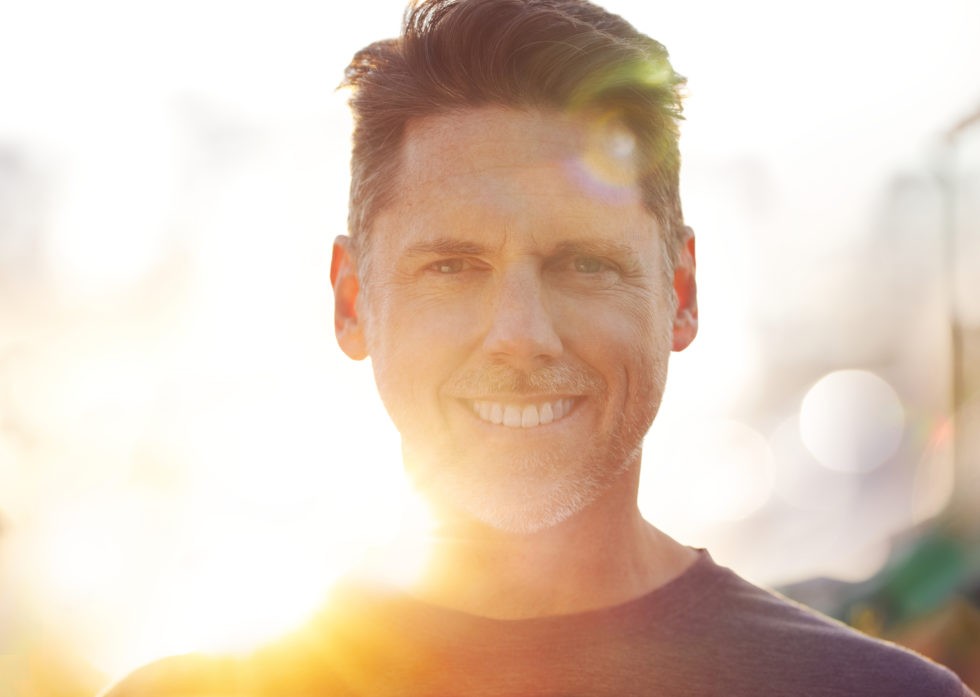
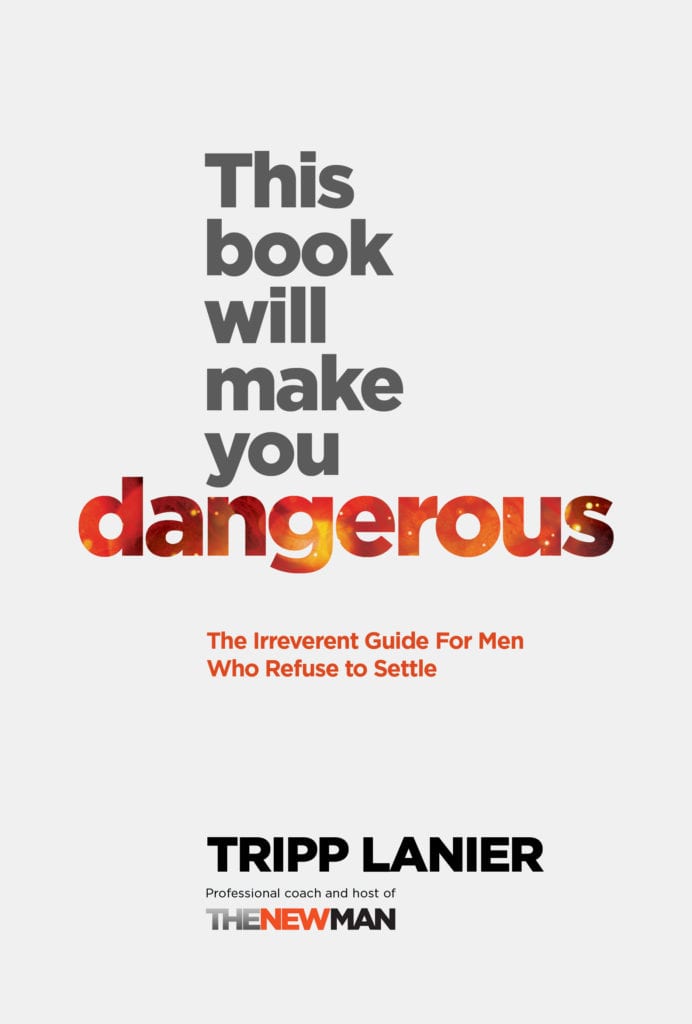
Tripp Lanier is a professional coach, author of This Book Will Make You Dangerous, and host of The New Man Podcast: Beyond the Macho Jerk and the New Age Wimp which — for over a decade — has been downloaded millions of times.
Since 2005, he has spent thousands of hours coaching people all around the world to get out of the rat race, become an authority in their field, and make a great living doing the work they were put on this earth to do. Over the years he’s designed several businesses to support a simple lifestyle focused on freedom, ease, meaning, and fun.
If you’d like to learn more about coaching with Tripp Lanier visit TrippLanier.com.
About Alyson Lanier

Alyson Lanier is a multifaceted expert at the intersection of psychological and spiritual healing. With a 30 year career in Psychotherapy that includes a BA, MA, and LPC in psychology, Alyson supplemented her education with extensive training and certifications in attachment work, Gestalt therapy, Transpersonal psychology, Shambhala Buddhism, internal family systems, and Psychedelic assisted psychotherapy. Her professional journey encompasses over 50,000 hours of therapeutic experience working with individuals, couples, families, children, and adolescents across clinical and private settings.
If you’d like to learn more about working with Alyson Lanier visit AlysonLanier.com
Transcript
Compliments, and the Family Lineage That Doesn't Allow Them
Alyson: Alright. Well, how are you?
Tripp: I'm good.
Alyson: Do you wanna tell me a story?
Tripp: Mhmm.
Alyson: It seems like you could be moving at a faster pace, so there's no conversation.
Tripp: No stories. Let's just get to it.
Alyson: Oh, I did have someone related to a client send me an email just yesterday saying that the last podcast, which I don't know which one it was because I don't know what the timeline is and what you dropped. Actually, I could read it. He said he loves the connection between us, the dynamic between us. It's so fun.
Tripp: Do you think people should see us like that all the time, though? As soon as the mics are off, we're like…
Alyson: Fuck you. Fuck you.
Tripp: You're still here.
Alyson: Go die. Listen to you breathing. Go die. Just fucking breathing. Still breathing. No. It says, "I have to mention that I had many chuckles on your latest podcast with Tripp. You two have, quote, the best energy." That's great feedback.
Tripp: Yeah. I don't know what to do with that.
Alyson: You don't know.
Tripp: They should've seen me last week talking to you about taxes. They should've seen that.
Alyson: Oh, cool. That was not the best energy. That was definitely not your best energy.
Tripp: Sith Lord showed up.
Alyson: Sith Lord definitely showed up. Darkseid. Well, you said something last time about how you have a hard time taking in compliments. What do you think is going on there?
Tripp: Man.
Alyson: I didn't get to ask why.
Tripp: I can receive a compliment. What I don't do well with is, there are people who I think try to connect by kissing ass.
Alyson: You think Jackson was kissing your ass when he said it was like the word of God?
Tripp: Jackson? Zeus?
Alyson: The person that wrote in last time. I think his name was Jackson. He said it was like Zeus himself talking to him.
Tripp: That little smirk on your face?
Alyson: Well, I'm just curious. Does he feel like he's blowing smoke up your ass? Because he seemed pretty real to me. He was like, when you talk, I listen.
Tripp: Where I come from, people complimenting you means they're trying to pull a maneuver.
Alyson: Sell you snake oil.
Tripp: Where I grew up, you didn't get compliments. You didn't get hit or criticized. That's how you knew you were doing well.
Alyson: Full-on World War Two life with everybody.
Tripp: So when you get a compliment, it's like, uh-oh. Something's wrong. Otherwise, you kinda expect them to be like, "Hey, you fucked this up." And if you don't hear anything, it's like, alright, I guess I did it pretty well.
Alyson: Thanks, Dad. That's some World War Two culture right there. That's like people that went through big wars.
Tripp: And the Depression. "What the fuck are you crying about?" My grandfather was one of 13 kids. They went through the Depression. They were a cheery bunch.
Alyson: Do you think the father of the 13 was like, "I should have pulled out"?
Tripp: If you wanted to eradicate any joy in your life, just go hang out with that group.
Alyson: Especially during the Depression.
Tripp: No, just any time. There was joy and happiness. It was just not allowed.
Alyson: What do you think that was about? You think they maybe had too many kids?
Tripp: Fucking no, man. But it was definitely like there was an allergy. If you were happy, it was like, oh, that's not cool.
Alyson: Which line was that?
Tripp: My mom's father's line. Eleven, thirteen kids. I think you had that many kids because you were expecting to lose half of them to something. Or sell them. Maybe try to sell them off.
Alyson: Did they all go into the military?
Tripp: No. I'm working through that karma lineage, getting rid of that stuff.
Alyson: Intergenerational inheritance of "don't receive compliments, they're trying to sell you snake oil."
Tripp: I remember being a pretty happy kid, wanting to play and stuff, and just getting around those people. I didn't get around them that often, but it just felt like, woah, this is so fucked up.
Alyson: You really felt the low vibration?
Tripp: I felt the low vibration.
Alyson: You were like, "Man, y'all are low vibration." You were six?
Tripp: I remember it even at three. Just three years old. Like, woah, this is fucked up. I wouldn't have said "this is fucked up," but yeah.
Alyson: Old soul.
Margeaux's Question
Tripp: Alright. Shall we? We have a question.
Alyson: We do. Who wrote?
Tripp: This is from Margot Robbie.
Alyson: The Margot Robbie?
Tripp: Well, no. This one is spelled like a Louisiana kind of French: M-a-r-g-e-a-u-x. I think that's always cool, though.
Alyson: That's pretty cool.
Tripp: When I say that name, Margot Robbie, what happens in your nervous system?
Alyson: The question is what happens in yours. Based on the tone of your voice asking that question, what happens in your nervous system when you hear that?
Tripp: I get happy.
Alyson: Do you get a half chub?
Tripp: Not the Margot Robbie, but this one.
Alyson: The French one?
Tripp: Yeah. She's an executive at a company that makes AI-powered yoga pants for women.
Alyson: AI-powered yoga pants? What do you think AI-powered yoga pants do? It helps a person hold the asana longer?
Tripp: Whatever it does, it's gotta be amazing.
Alyson: Informs them of the postural corrections they need to be making.
Tripp: It probably butters them up every time. "That was an absolutely… You're onto something. Your down dog is amazing." She says, "I started listening to your show because I'm trying to find a good man. I'm in my thirties and I don't have forever to find a husband and father for my child. I'm very successful, but I can't find a man who is comfortable with my success. They're all insecure about how much I make. It seems like they would all prefer to be with some waitress instead of me. No disrespect to waitresses." Okay. "I figured that a quality guy might be listening to your podcast. So please tell me, how do I find one that's not intimidated by my success?"
Alyson: Well, first, leave your contact information. So all the men that are listening can find you.
Tripp: We should just do a matchmaker thing.
Alyson: We talked about that a long time ago.
Intimidated, or Just Not Going Near Her?
Tripp: I know. Okay. So this is pretty common. I've met quite a few women over the years who are ambitious and successful, and they're also pretty lonely. They're craving depth and connection, but they can't seem to find it. They're able to do all these other things in their lives against the odds, but they're constantly disappointed by men. And there's this common belief that men are insecure about their success, that it must be because I'm successful and these men can't handle it. There are lots of reasons why someone can't find a partner these days, but for this conversation, we're gonna focus specifically on this dynamic of "I'm successful, and I can't find a man because he's intimidated by my success."
Alyson: I think for this one we should, because that's what the person wrote in about. But there are versions of it like, "I've done so much personal work. Where are all the good men who have also done their work?" So there's versions of that, like men get intimidated by the fact that I'm so involved, so articulate or emotionally intelligent or evolved or whatever it is.
Tripp: Okay. Let's talk about why this is happening. I will say that some guys would be intimidated by that. But I would also argue that they're not likely to go near her. She wouldn't even get into the same ring with them. The guys who would be intimidated by a woman who's making a lot more money than them are just like, "I'm not even gonna go near a woman like that." So my sense is she's probably not really interacting with guys who are that intimidated by her.
Alyson: Well, that's questionable. If I meet somebody, I don't necessarily know what they make.
Tripp: I'm thinking, if I was intimidated by a woman like this, would I even go on a date with her? I'd run the other way.
Alyson: Certainly there's a population that, if they were truly intimidated, she might not even be on their radar. They might just turn the other way if they see her walking across the parking lot. But I also think there are plenty of men who are trying to shoot their shot, and it might have more to do with how she's presenting.
A Partner, or an Accessory to Her Plan?
Tripp: Okay. We'll get into that. The question I would have for her is, does she want a true partner, or someone to be more of an accessory or an assistant?
Alyson: Or a mini-me, another version of herself.
Tripp: Right. I work with a lot of high achievers and high performers. Without even realizing it, they tend to be people who create big plans for their lives, and they have a vision. "This is what I'm gonna do, and then in 2028 I'm gonna do this, and by then I'm gonna have this set up." So a partnership or a relationship can often seem like a role that they're auditioning someone for. They've already created everything.
Alyson: It's like her already controlled life. She's got control and sovereignty over all of her domain, and so she just wants something to fit into that, almost like an accessory. But she doesn't actually want the accessory.
Tripp: I think they might not realize they've created this life, and they just need somebody to plug into it, a life that I've already decided how it's gonna look, instead of "I wanna meet somebody and we cocreate that future together." It's like, I've already got this life, and I need somebody who's gonna mold themselves into it.
Alyson: Well, I can relate to that. I'm embarrassed to say this now, but I remember when you and I first met, decades ago.
Tripp: Six years ago.
Alyson: When you and I met, you lived in Florida, and you were like, "I'm coming to Colorado." And I was like, woah, woah, woah. I'm just finishing this advanced certification program. I'm not done until, I said, June or July or something. I've got all this stuff going on. Can you please wait? How about you wait and come in the summer?
Tripp: Well, you had to get rid of your side piece too. You had a stable of…
Alyson: My stable of men. But I do remember feeling that way. Oh my gosh, I have so much happening and I've got it kinda under control. If you come, that's a factor that's just gonna screw everything up.
Tripp: I don't think that was necessarily unhealthy. I was working on my own thing in my own life, and meeting you was even more of a motivation to shift some things and try some things out. But I think what you're speaking to is another version, like, "This isn't part of my plan, and your job is to fit into my plan," versus "Let's perhaps create something more together, based on who we are as people." There's a kind of dominant aspect to that, which is, I'm the one that's gonna create the vision, I've got how things are gonna work out, and then you're gonna fit in. And the whole reason I bring this up is that a quality guy isn't there to be on someone else's ride. He's not there to just fit into her purse and go along. He's doing his own life, and let's cocreate something together. So I would just say, watch how you're orienting toward other people and recognize that it will drive away a good guy.
Alyson: Yeah. I actually wanna slow down for a minute, because you just said a quality guy isn't just gonna fit in and be an accessory. I think that's an important piece here, because so much gets wrapped into powerful women, who typically had to work really, really hard to get where they are. There are a lot of factors they had to go up against. So there can be a lens they look through that has nothing to do with polarity in the relationship. They're still looking through the lens of all the obstacles they have to overcome to maintain the success and the life they have. And so it can occur to some women that if he's not just gonna fit right in, he's another obstacle, that he wants to regress her back to old sexist roles. That's not necessarily true. But that's the lens she might have been looking through for a long time, because her locus of attention has been to fight a lot of systems to get where she's got.
Armoring and Identity
Tripp: This brings up the point that, and this has been true for me when I meet women who come to me, because I've been in this world for twenty-plus years and I don't know how many conversations I've had with "successful" women who are like, "What's up? Where are the quality men, and why are the men all fucked up?"
Alyson: Me too.
Tripp: My impression after working or talking with them has been, actually, it's your armoring. And I wanna have compassion for this armoring, like you just brought up. What they've had to become, how they've had to armor themselves to get what they want and move through the world, is what helps them be successful, but it's also the thing that would keep away a quality man.
Alyson: And I would argue that, psychologically speaking, everything they've gone through to become this hyper-independent, powerful, self-sufficient woman becomes their identity. They conflate that with who they are, instead of seeing it as the skills they had to obtain to get where they wanna be. And that's the thing that becomes a threat. You just talked about being accessible, being available, versus being super controlled and self-contained. If that's our identity, then the idea of being accessible or vulnerable or impacted or soft or open can actually feel threatening to one's identity.
Tripp: For sure. Really to our existence. So let's talk about this for a second, because we could talk in terms of masculine and feminine essence. The masculine wants to penetrate. I'm not just talking about sex. The masculine wants to impact. It wants to move into something and impact, and the feminine is that which receives. So there's this larger essential dance happening. And if the masculine in me cannot be received, or there's no place for me to be received over there, then it flattens out. Or if it's armored, or there's a wall, that's why it might be more fun to be with the waitress who laughs and plays and is open and receptive and curious, and it's back and forth. It's not because the waitress makes less money than me and I feel more secure. It's that interplay of, hey, I can actually impact this woman.
I see this happen in people who have been married for a long time, where the wife kinda armors up and goes away. The man wants to impact. He wants to be with someone who's accessible, and when a woman does show up in his world and is able to be impacted by him and wants to be impacted by him, he will go in that direction just because of that natural pull. And if he goes home and there's a woman at home who doesn't want anything to do with him, doesn't wanna be impacted by him anymore, then there's a wall there. If you don't understand on an essential level that there's this natural play happening between the masculine and feminine, then it'll just seem difficult. You won't really understand what's happening.
The Achiever's Rigidity
Tripp: I would add that achiever and performer types can sometimes, many times, be rather rigid and stiff. They've got a thing they need to be doing. They've got a place to go.
Alyson: No time or room for you.
Tripp: I've got somewhere to be. And on top of that, how they do something is how they see themselves. There's not a lot of leeway to just sit and enjoy being with someone. We've got things to do, and not only do I have things to do, but this says something about me. This is going to be a performance, or something I achieve, or something I'm moving toward. So it's difficult to just hang out and relax, because, wait a second, how am I doing here? What are we doing here? I don't wanna sit on a beach and kick my feet up. I wanna go kick ass and get things done. And I'm not saying it has to be on the beach, but that aspect of just relaxing and getting to know one another and impacting each other feels weird or unnecessary if I've got a future focus. Let's fucking go, we've got a thing to build. It just feels off to take time to get to know one another.
Alyson: There was a client I was seeing, and he and his partner were considering, basically, are we gonna get married or are we gonna break up? It was a high-stakes situation for them. At the time, they had found this show called Love Is Blind. And he was like, "Have you seen this show? I think you really should watch this show." We were having a lot of discussion. I never watched it while I was seeing him as a client. But just recently I was like, you know what, I'm gonna check this show out. So I found just one episode. I don't even know what season it was. It had been running for a long time, apparently, so it was one of the later seasons. And there was a woman who really did what you're talking about. She was all success. She had a plan. Her whole thing was, "I'm a business owner and men are intimidated by me." That was kinda her line.
In the show, she found three prospects. One prospect was all business, fully everything you're saying. Largely what they spoke about was their resume: their achievements, their accomplishments, the numbers on paper, how they make money. And how they built the connection was, in their words, "We can build an empire together." We can have a shared goal. You're gonna fit into this controlled, guarded, performance-based life that I have. They were both thinking, oh, this might be a really good match.
Tripp: More business partners than romantic, you know, life partners.
Alyson: I don't even think they talked about romance until much later in their connection.
Tripp: But you're gonna be something that supports me to go be extraordinary and significant.
Alyson: And we can help each other be even more extraordinary and significant.
Tripp: And also kinda safe. There's an undercurrent of, we're not actually going to connect much here. We're going to be focused on the shit we're building.
Alyson: Yes. Exactly. For her story around "men are intimidated by me," and I'm just choosing this one of three prospects, she was like, "Oh, he's not intimidated by me." What's interesting is that, through her experience with him, it kept percolating. It was very subtle and she hardly spoke about it. But in her body language, in her face, there was this consistent little reveal that she actually wanted to be held. She actually really wanted to be seen and met. She actually wanted to be impacted and affected. And with this guy, it was so clear that she was just doing her armor. She was just doing her professional thing, all the skills and tools that got her to where she was. I thought that was a great example of what we're talking about here.
What Men Can Feel: The Men's Weekend Exercise
Tripp: I remember I watched a couple of those episodes, and I remember this woman. It reminds me, because I watched her interact with the two guys.
Alyson: There were three. One was the super achiever. One was the one who actually made her laugh. She got kinda playful and more herself. And then there was the guy that, frankly, seemed like a dud, but she was really into him. A lot of girls were really into him, mostly because he just listened. He didn't have a lot to say. He just listened.
Tripp: The AI boyfriend. Okay. Well, what this does is it reminds me of an exercise we would do in men's groups, where we'd have the guys face each other. These are strangers. These guys don't know each other.
Alyson: So wait, let's go back. You're talking about an exercise that was done at, you used to help facilitate men's intensive growth weekends.
Tripp: Right. We used to do these weekends, and the intention for the weekend was to help men realize where they were jammed up and making it difficult to have the connections they wanted with women. The point is that we would do this exercise where they'd stand in front of each other, a foot or two away, rather close, and we would give them a prompt. The question would be, "What do you think it's like to have sex with this guy?" Which is a strange question to ask men who are heterosexual.
Alyson: That's great.
Tripp: But they could answer it. They'd be like, "Yeah, it'd be awkward," or…
Alyson: They're not just speaking from their homophobic selves either.
Tripp: No. They're like, "It would just be really weird with you. As I stand here with you, you'd be more worried about getting yourself off than getting me off," or "you'd be more worried about getting me off because you were so insecure about your own performance." They could actually intuit what it would be like to be in a sexual situation with this person. And it was different for each guy. But some guys were really able to be in tune with what it's like. I bring this up because men can feel this as they go through the world and interact with women.
Alyson: They can feel it with the women too?
Tripp: Exactly. Even if they're not great at articulating what it would be like, they can sense it. So when I was watching this woman talk to the high-performer guy, I was like, this would be boring as fuck. She would be so fucking boring in bed. And then there was another guy who had her open up, and she was laughing. I was watching her roll, playing with her hair and stuff. I was like, oh, she would be really fun to fuck. She was the same person, but in different contexts, how I experienced her was very different. And I do remember the third one, and just her being listened to when she was kinda in her stuff.
Alyson: I think she just projected all over him.
Tripp: I don't know. Okay. I bring this up because whether we can articulate it or not, we have a sense of what it might be like to be with that person. We're either interacting or having sex with their armoring, this kind of false self that we're with, or with the part of them that's willing to be vulnerable and accessible. And what's that like? This is why relationships fizzle out or feel flat: we're interacting with that false self, that armored self, that small self, whatever you wanna call it, instead of "who are you really?" And that's where we ultimately wanna be met. If we're tired of shallow relationships, tired of feeling like it doesn't go anywhere, it's because we're in the kiddie pool. We're in the shallow end where all the defenses are, and we're not allowed to go much further.
Alyson: And we're simplifying this, but how it can look in the real world is, she might be cognitively really open. Obviously, people go for intelligence and all that. She might be really cognitively open and super emotionally aware, but there's an embodiment gap. She's not energetically receptive. She's not visibly impacted or affected by who she's relating with or making actual contact with. The man might not sense that she's essentially alive in the connection. There are all sorts of women who can be alive. They're just feeling themselves. But they're not feeling the other person they're with and being alive in that connection. To me, that's one of the biggest pieces of medicine that's missing between people who wanna be partners or are dating. They're not tracking the sensual aliveness in connection. It's either projected all over the person, like they're feeling their own horniness and then they slap it onto somebody else because they look good or they're somehow fitting the bill that night, or they're feeling themselves and it doesn't matter who's over there. That piece of being receptive, feeling that energy, being visibly and emotionally and energetically impacted and affected by the person you're actually connecting with, those are all things that go missing. And not just with powerful successful women. Or men. It happens with everybody.
When It Happened to Us
Tripp: Alright. Are you open to me sharing something? We had to go through some version of this earlier on in our relationship. Are you open to me?
Alyson: I think so. I don't know what you're about to say.
Tripp: Okay. Because it's gonna make me look really good.
Alyson: I'm sure it will. You just go right on ahead.
Tripp: Let me paint the picture. Earlier on in our relationship, you were very much into your career. You were a therapist. You were seeing a ton of clients every week, and we were living together. I didn't see you that much. You were working very long hours. On top of that, the work was impacting you in a certain way where you were exhausted. There wasn't a lot left of you around the edges.
Alyson: Oh my gosh. Yes. Thirty clients a week.
Tripp: And then on top of that, what the work required of you, who to be, was that you were muting this sensual part of you: the way you would dress, the way you would act. Whatever that part of you was that was sexual and sensual and juicy and had any kind of turn-on was essentially getting thrown into a box and put away because it wasn't appropriate for your work. So this was who I was interacting with a large part of the time, and I was like, what the fuck has happened to my wife? This woman that I wanna be with. And I felt it really impacting our relationship. It wasn't that I was intimidated by your success and what you were creating and how ambitious you were, because you were truly ambitious and kicking ass. But who you were turning into to do this work was not the person I was attracted to.
Alyson: The attraction was dying. I would argue that when we met, every time we were together initially, it was always through me not working: vacation, taking a break, traveling. It was always the environment outside of work, which is how a lot of people meet, and which is great. But what you're speaking to revealed a split that was true for me, because in my training, and this is not so much how I am anymore, but in a lot of that training growing up in the therapeutic community, there's a lot of "be the blank slate." That's a very old rule for therapists. So quite literally, wear clothes that aren't figure-forming, that are neutral colored.
Tripp: You dressed like you're on the Jedi council.
Alyson: You would tease me about that a lot. Yes. But to put two and two together, I'm glad you brought that up, because to my point, it became identity. Being in a smallish community and being a pillar in that community, where I was leading workshops, I would see clients on the street. There was a lot of interaction with work even when I wasn't working, which had me bleed that role of being zipped up into my life when I wasn't working. And you were really feeling that too.
Tripp: Yeah. I was impacted by that, and it was really confusing, because I knew I really loved you and I knew I really cared about you.
Alyson: You also had the experience of me when I was not in that role.
Tripp: I also knew this very sexual, sensual part of you. And then it was just evaporating. I didn't know if it was evaporating because we were leaving the honeymoon phase of our relationship, but there was something else going on. Looking back on it now, it was really obvious. It was your work and that identity around it, who I need to be for work. Call it armoring or whatever you wanna call it, but you were emotionally not really available. And sexually, it was like, where did this sexual, sensual person go? It had a huge impact on our relationship. Fortunately, we worked it out.
Mass Generalizations and the Castle
Alyson: Yeah. Absolutely. Earlier on, you mentioned what Margeaux said, that men are always insecure. Another thing we hear is that there are no good men. And then also, as represented on the show, that men are intimidated by me. I wanna speak to the deeper cut of that for a minute, because we didn't earlier. I think it's valuable for a woman knowing herself, and also for a man who's interested in her having a more compassionate view toward that perspective. When we say things like that, just know that it is a mass generalization. People make mass generalizations when they've been harmed in some way. And anybody can do this. Men, if you've been hurt by women, you bet your money you've got a mass generalization about women. Women, if you've been harmed by men, I guarantee you have a mass generalization about men. All men are dicks. All men are the patriarchy, whatever. There will be a way you come to a conclusion, and there's no fault of your own. It's just what our brains do. It's how we kind of move on. But when we get into that place where, oh, they're always intimidated or they're insecure or whatever, that creates a contact boundary. It creates a wall. It creates a point of distance, an interference for connection. I think at the root, we're simply trying to protect ourselves from vulnerability, and obviously from more hurt or harm, but that also prevents impact. That also prevents accessibility.
Tripp: Yeah. We're in a castle, essentially.
Alyson: It's like a moat. Exactly. So it's just important to name that if that's a thing, if you, as a man or a woman listening to this, can write on paper any of these phrases, like "there are no good men," "all men are insecure about me or intimidated by me," or "there's nobody who's aware or evolved, I need an evolved man," if you find yourself saying that, flip the page and start writing down all the times harms or hurts happened to you that drew you to that conclusion. Because I guarantee it's probably a handful or two handfuls of people, and not all men or all women.
Practical Tools: Name It, Own It, Appreciate It
Tripp: Yeah. I've got a couple of exercises I think we could play with here that would help bring down the castle and could be fun. I didn't invent these. They've been around for ages.
Alyson: For the men and for the women?
Tripp: For both. So be on board with that.
Alyson: For sure.
Tripp: What I don't wanna do is turn this into "this is a problem I have to fix." Like, I have a problem, I'm in problem orientation, I'm broken, there's something fucked up. I don't see that. This is really about helping relax defenses. We all have defenses. That's not a problem. If we can take ourselves out of that, where we compound it, like, "Not only can I not find a good man or a good person, I'm also fucked up?" No, you're not. You're just defending yourself. There's a reason why you defended yourself.
So one of the things we could do, and I'll speak directly to someone who's listening and is with a woman like this, instead of "Hey, you're not sensual enough or you're not sexy enough," is to find the bright areas and appreciate those. When you do get a glimpse…
Alyson: Positive reinforcement.
Tripp: Yep. The positive reinforcement is like, "Hey, thank you so much. I really like it. It's so fucking hot when you do A, B, and C." And just leave it at that, just to let her know that you appreciate those aspects of her and they don't go unnoticed. Because they might go unnoticed if her focus is "what's the next thing I gotta do and what's the next thing I gotta be." She may not realize that her laughing or being in a certain state is really valuable and important to the mood. It might feel like a distraction for her if she's so goal oriented.
Alyson: So essentially, you're helping him own impact when she has it on him.
Tripp: Yeah. Exactly. And for her, the first thing is to just own it and say, "Hey, you know what? It's kinda hard for me to be with men. I've been hurt and I've been disappointed in the past, so I probably do a thing where I get a little armored, and it kinda gets in the way." And perhaps even laugh at it, like, this is just a thing I do to armor myself. Own it and say, "I'm a little awkward" or whatever.
Alyson: Or "I take time. I'm slow to warm up. I take time to open." And that doesn't mean, women, that you're collapsing your power just by owning your fears.
Tripp: Or just owning your power. "This is what happens for me. I get a little excited, or I get a little thing, and this can happen from time to time." It's not "I'm fucked up and I'm broken." It's just, this is what happens. When we do that, we're opening up the kimono a little bit and sharing, "Hey, this is what's going on for me. If you're trying to read into my behavior, just recognize this is what I do when I feel a little afraid, or when I feel a little uncertain and I wanna be in control. I give off this vibe." Just naming that stuff can have a huge impact. "Oh, okay. Cool. Thanks for letting me know."
Alyson: You just spoke to being able to own your experience, own your fear, own your impact, and that's really important.
Tripp: Just name it.
Alyson: Just name it. If we were to put this in a file folder, under the "how-to" or the "what to do," we're talking about moving away from being armored and moving toward being responsive. What you're speaking to is being responsive and not armored in relationship. Being able to own a concern or a fear or awkwardness or just your way of being, being able to name that, that's your willingness to be in relationship and be responsive to how you're feeling in the moment with the other person. So right there, you're building something you didn't have before if you do that.
Tripp: Exactly. There's a belief that if you saw this about me, you wouldn't find me attractive or you wouldn't like me anymore. Just start to chip away at that stuff, and you realize that's exactly what builds the connection we really want.
Alyson: And the thing I wanna speak to is that that's a skill. It's a skill to have that self-awareness, as well as trust that you're not gonna lose your identity if you start to admit some of your pitfalls or your awkwardness or your fears.
Tripp: It might help to get over yourself a little.
Alyson: Yeah. My point is that this responsiveness includes receptiveness, and receptivity is a skill. These things we're talking about are skills to build. The only other thing I wanna name before we get into what's next here is that there's a piece for women, I would really argue: stop waiting for the man to break down your walls. There's a lot around the woman's "there's no good man," or "they're intimidated," or whatever. The image I get is a woman with her legs crossed and her arms folded, leaning back, looking down her nose. Armor aside, that creates, from the get-go, not the dynamic she might want, but a dynamic of pursuer and someone who has to pass a test. Or a performer and an evaluator. I think this gets conflated with women a lot. Part of their sort of Disney, I hate to say it, but growing up with their Disney princess shit, from my perspective, I think this comes from "I need to see that man be willing to die on his horse for me in order to know that he's really a man and my knight."
Tripp: I'm rolling my eyes right now, and I'm just thinking, what a pain in the ass it's gonna be to be with this person. Because it doesn't stop there. It'll always be "you have to do more."
Alyson: We're not there. That's the piece I'm saying is so essential. This responsiveness, this receptivity as a skill, this ability to be your normal fucking size and real in the moment, and be actually in contact with your own experience and your experience of the other person in front of you. Be present to that. Be attentive to what's actually happening right there, right then. The impact, the response, the presence, the receptivity.
Tripp: It's just dropping all this armoring.
Alyson: That's where polarity lives.
Tripp: Yes. Exactly. But it's also recognizing, oh, what do I do? I continue to move away and cross my arms and cross my legs. Evaluate and keep raising the bar for you, but it's my way of keeping you at bay. And then I can always just make it about you. "You're not X enough." And there are guys who will line up for that because they've got poor self-worth, and they'll just be like, "Great, I just have to win this woman's approval, and I'll be enough." And it's like, you're gonna be disappointed with that guy.
Alyson: Totally. And the thing I want women to hear, especially Margeaux and the successful powerful women: you're not collapsing your power. You're not giving away your identity. This is not a personality change. These are simply skills. This is more wholeness. We're inviting you into more of your wholeness.
Tripp: And you're not gonna learn it from a podcast. We're just trying to give you a window into what it looks like, because it's not about being more impressive or more armored or more whatever. It's actually about learning to relax that stuff and be more of who we genuinely are. And that's the thing we've been avoiding the whole time. Okay.
Two Exercises You Can Try
Tripp: So now we could play with some exercises, and maybe you could do this with a friend first. If a guy is listening to this and he's dating someone or married to someone who fits this, maybe this is something he plays. It's just a good game to play, period. The first one is "If you really knew me, you would…" What? You'd know what?
Alyson: You'd know what about me.
Tripp: Yeah. You can just go back and forth, and you don't have to stop and process anything. It's just like, "If you really knew me, you'd know that I lost my virginity to the bearded lady behind the Gravitron at the county fair." And you're like, okay. And you just gotta keep moving. You don't dig in.
Alyson: You don't get to be like, "Tell me more about that."
Tripp: And you're like, "Was it actually a lady?"
Alyson: And then the other person can practice impact and be like, "Here's what I'm excited about when I hear that."
Tripp: Another one. If I'm the person who acts like I've got it all together, it's like, "If you really knew me, you'd know how much I feel insecure about whatever." "If you really knew me, you'd know that when I go to a conference, I'm fucking scared to death to talk to people unless I have a pitch or something I can say about what I'm working on."
Alyson: "If you really knew me, you'd know I plan my outfit seven days in advance," or something like that.
Tripp: Right. It's just learning to chip through all of that stuff: here's what's really me, here's where I really am. This can be really fun and funny. There might be tears. And it might be a huge relief, like, somebody's still there as we go through this. If you're going back and forth, then you're met there. So you could start in the kiddie pool, and then you can get deeper and deeper. I just find that it's really fun. I don't know if it's… Is it fun? It's fun watching other people do it.
Alyson: Do you wanna do it right now with the listeners?
Tripp: No. Speaking of armor. We get to have it all together and have all the answers and be the experts and have it be perfect. That's how it works.
Alyson: That's how you make a good show.
Tripp: That's how it is. Nobody wants the truth.
Alyson: Okay. I just wanna add a different context, because I think what you're speaking to is awesome, and I know 80% of the people who are in this pickle would not do these practices because it's too weird. So I wanna change the context. If you're on a date or having coffee, along the lines of skill building and practicing receptivity and contact in the moment, you can simply reveal something. It's the same thing, but a different context. Reveal something you're excited about right now, in that moment, in that meeting with that person. You could reveal something you feel nervous about right then, right there. You could reveal something that helps you relax, and that can be a leadership thing, like, "Here's what would help me relax in this moment," or you can name something that just happened in the exchange.
Trying It Live
Tripp: Why don't we just do it? Because we're talking about it, and we could just do it.
Alyson: Okay. What I'm noticing is the caffeine hitting my brain that you gave me. And when I look at you, I'm noticing your stance. You seem relaxed, your legs are open, your gaze is steady on me. And I'm noticing that if I look at you in your eyes a little bit too long, I get a little giddy. A little wiggly in my spine.
Tripp: I have to be able to go too.
Alyson: Oh, okay. So just one?
Tripp: I'll go now. I'm noticing your eyes changing.
Alyson: Changing how?
Tripp: They're getting wetter.
Alyson: Oh, yeah. I don't feel like I'm gonna cry, but I do notice that when I look at you in your eyes, I soften. I feel softer, and I feel more open.
Tripp: I noticed that your energy is different, like something shifted in the last thirty or forty seconds since we started doing this.
Alyson: Yeah. I know that to be true, because whenever I look at you in the eyes for a certain amount of time, I usually access my softness. I access my love for you. I feel my love for you. Sometimes I feel giddy just to be with you.
Tripp: I noticed I'm being challenged to let that in.
Alyson: I noticed I feel sad when you said that.
Tripp: So we could pause here. There's a version of this that can go on and on. I just wanna notice the state shift that happened. We were in our heads talking about all the things. And then you started listing some of the things you noticed, even physically, about me, and I could feel your state shifting. I noticed the corner of your mouth start to smile, and I saw your eyes start to soften. And I wanna point to just allowing ourselves to do that and get out of the future. It starts to open up the "here's what's really going on with each other." It's always here.
Alyson: It's always here.
Tripp: It's not "I have to find somebody who reads the same books as I do," or "do we have the same interests." You can really do this with anybody who's willing to play.
Alyson: Yeah. This reminds me of a similar exercise from the same weekend. There was always a women's team that would come in and work with the men for the day, and we did this exercise with the women. I remember sitting down with a guy, and I had watched him the whole day kind of flop around. He was really struggling, doing his best in the world he had going on. And then we did this exercise. And by the way, these are long-ass days. Part of our job was to not be polite or be caretaking, so to speak. As a woman, our job was to give a very true and authentic response no matter what, so I wanna preface what I'm saying with that.
I remember he started projecting. He was like, "Oh, you seem like a really smart person." I was like, okay, I noticed when you say that, I don't know what to say. I feel like you're projecting. I noticed I don't feel very curious right now. And then he'd try his best. The coach would come and be like, "Okay, try to just stay present and notice what's right in front of you." And then he was like, "Oh, I like your earrings, the way the light glints off your earrings." And I remember feeling like, okay, we're getting there. He's noticing something in the present moment. And then he started doing, "Oh, I noticed you laughed, and when you laughed, I felt safe." And I responded with, "Yeah, I do feel more safe now. When you spoke to something in the present, I noticed I felt safer too." And then he started getting very, very present with what he was noticing in me. Like, "Oh, your eyes changed," or "I watched as you smiled, and I felt my heart open when you smiled." He just was saying things like that. And ultimately, we ended up having this really, really beautiful connection, and I felt so happy and excited in the role I was supposed to be in for this exercise. I felt so happy and excited and proud for him, because I was like, you did it. Yay. I feel comfortable. I feel safe. I'm interested. I wanna hang out. I don't want this exercise to end.
This can be a really painful exercise if somebody's not present. It's an edgy exercise even for me to do, because I have a low tolerance for it. But I remember this poor guy, flip-flopping all through the weekend, and then he showed up. He did it. And I just gave him a huge hug afterward. I was like, yes. Stick with that. Keep doing that. So I think it's great.
Connection Is a Skill
Tripp: Where we started today was this idea that there are no good men out there, and it takes this monumental type of person to be with someone. It seemed really complex and difficult. Then we started to realize that maybe it's about our armoring and how we don't allow people in. And then we start to see, well, maybe it's not even that hard to make a connection. It's something we can do right in the moment.
Alyson: Even through our awkwardness, even through our fear and concerns.
Tripp: Even how our awkwardness can be a part of what helps us connect. It's what's here.
Alyson: Yes.
Tripp: I like this conversation. We probably could go in twenty different directions, but most of us think that connection is this really complex thing, and it's about having the same interests and the same visions for everything. And actually, it's not that complex. There are skills to learn, and we can learn those skills.
Alyson: But they're not complex skills either.
Tripp: It's really about coming back into the moment. Am I willing to get over myself and start to be with what's here, and then also be with that with someone else and share it?
Alyson: And then there's something really amazing that can happen.
Tripp: Yes. And so my hope is that whoever's listening to this will feel more hopeful and more empowered. Yes, you're gonna have to learn some things, but, man, so much more is possible.
Alyson: So much more is possible, for sure.