
Podcast: Download
Subscribe: RSS
Pushing Through Resistance: What If Resistance Is Trying to Tell You Something? — Alyson and Tripp Lanier
Do you know you ‘should’ be doing something but just can’t find the motivation?
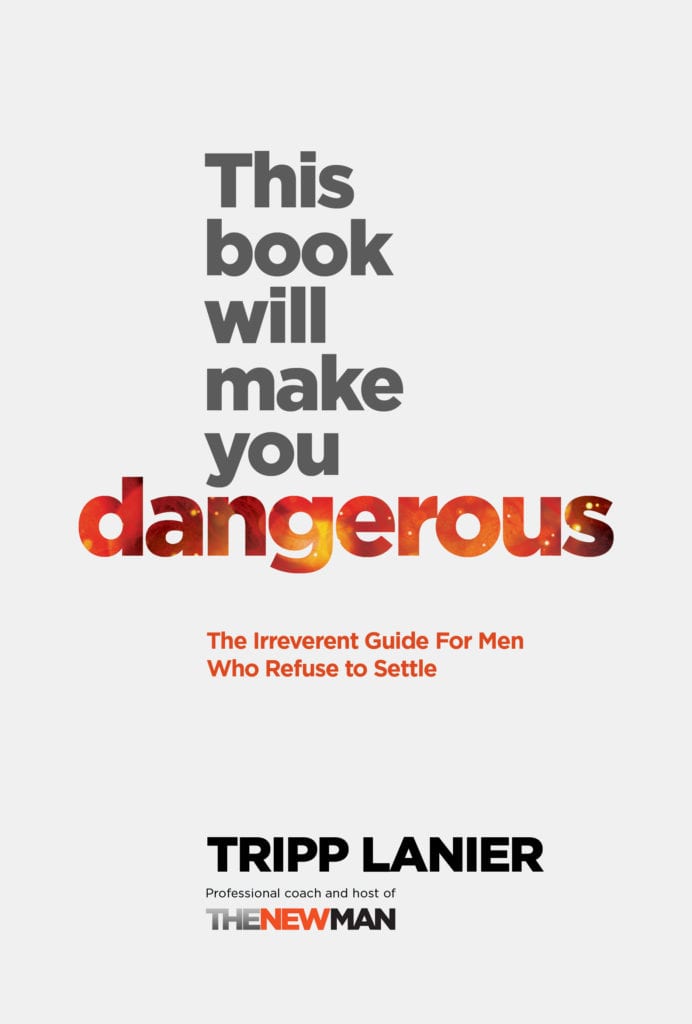
How can you tell if you’re following your own path or just a set of scripts you digested along the way?
And what if resistance is a sign that you’re out of alignment with what’s most important?
Today Alyson and I explore the topic of resistance — the part of us that hits the brakes when it’s time to take action. We talk about the pressure to be our best version of ourselves and how we can learn to question what we ‘should’ do in order to find our own sense of authority.
In this conversation:
- What’s killing our aliveness and motivation
- The pressure to be our best selves
- The role we play for work, relationships, the world
- Part X: Phil Stutz, Barry Michels
- Stephen Pressfield, Resistance and The War of Art
Plus:
- When resistance tells us we are out of alignment
- Wanting someone else to tell us what to do
- The need for clarity, security, comfort, and belonging
- How do we find our way when we don’t have certainty?
- Questions for helping you find your own way
About Tripp Lanier
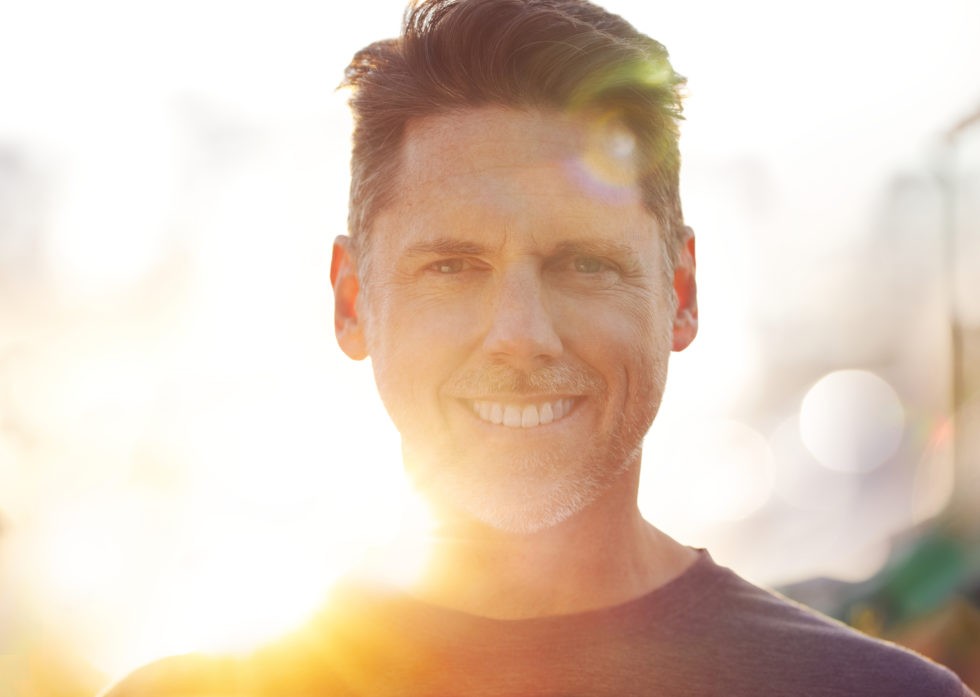
Tripp Lanier is a professional coach, author of This Book Will Make You Dangerous, and host of The New Man Podcast: Beyond the Macho Jerk and the New Age Wimp which — for over a decade — has been downloaded millions of times.
Since 2005, he has spent thousands of hours coaching people all around the world to get out of the rat race, become an authority in their field, and make a great living doing the work they were put on this earth to do. Over the years he’s designed several businesses to support a simple lifestyle focused on freedom, ease, meaning, and fun.
If you’d like to learn more about coaching with Tripp Lanier visit TrippLanier.com.
About Alyson Lanier
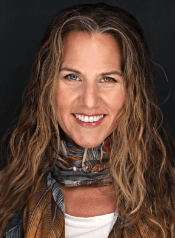
Alyson Lanier is a multifaceted expert at the intersection of psychological and spiritual healing. With a 30 year career in Psychotherapy that includes a BA, MA, and LPC in psychology, Alyson supplemented her education with extensive training and certifications in attachment work, Gestalt therapy, Transpersonal psychology, Shambhala Buddhism, internal family systems, and Psychedelic assisted psychotherapy. Her professional journey encompasses over 50,000 hours of therapeutic experience working with individuals, couples, families, children, and adolescents across clinical and private settings.
If you’d like to learn more about working with Alyson Lanier visit AlysonLanier.com
Transcript
Anniversary weekend banter
Tripp: We'll see how this goes. It's early for us… It's not that early.
Alyson: It's not early. We just never slept.
Tripp: Yeah. Which is nice. It's awesome. How was your weekend?
Alyson: We survived. We made it. The last time we were in the seat, you were like, "This is our anniversary. Are we gonna make it?"
Tripp: We did. We made it.
Alyson: We made it.
Tripp: But it was awesome.
Alyson: It was awesome, wasn't it?
Tripp: Well, you took me to a hibachi restaurant.
Alyson: And…
Tripp: They did the volcano. That's my favorite part.
Alyson: Unbelievable.
Tripp: And they sang happy birthday even though it wasn't my birthday. They didn't understand.
Alyson: We told them it was our anniversary. And they were like, okay. Happy birthday. Happy birthday.
Tripp: And it was the best ever.
Alyson: Yeah. And then I took you to karaoke.
Tripp: Oh, you did. Yes. You did.
Alyson: If we're going there, we're gonna start telling stories.
Tripp: What did I…
Alyson: You sang "Freebird," of course.
Tripp: And you sang "Like a Virgin." You actually wore your wedding dress. And you crawled around like Madonna. Do you remember you crawled around like Madonna did in the video, in the wedding dress?
Alyson: I wondered why my dress was so dirty the next day.
Tripp: It was dirty.
Alyson: I think you roofied me.
Tripp: I may have roofied you on our anniversary.
Alyson: Actually, that's really not cool. There are news stories… Really bad things are happening with women and roofies.
Tripp: Well, yeah.
Alyson: And men too.
Tripp: And men too. We didn't do any of that, actually.
Alyson: We didn't do any of that.
Tripp: We had a very nice weekend.
Alyson: We had a wonderful weekend.
Tripp: Beautiful weekend, I would say.
Alyson: Yeah. I agree.
Tripp: So that's all we should share. Leave some mystery.
Alyson: Yeah. Well, what are we doing today?
A letter from Mr. Bubble
Tripp: Well, I have a letter.
Alyson: You do?
Tripp: Yeah. You should read it. It's right there.
Alyson: Okay. Let me open up the envelope. It's a handwritten letter.
Tripp: It's 1976. We get letters.
Alyson: From Bob Bubble? Oh, Bob Bubble. "Most people call me Mr. Bubble."
Tripp: This is the Mr. Bubble.
Alyson: I forgot about Mr. Bubble. "I make AI-powered bubble bath solutions." Oh, boy. What's an AI-powered…? My first thought is an AI-powered bubble bath solution is electrocution.
Tripp: No. I think it's about the solution. Like, he uses the chemistry. It's superior bubble chemistry.
Alyson: Superior chemistry. Okay.
Tripp: It's better than human solution.
Alyson: Right. Cleansing and moisturizing. Who knows how much.
Tripp: It's gotta be astronomically better.
Alyson: Okay. "Hey, Alyson and Tripp. I love the podcast. Alyson, I…" Uh-oh. I think we may know each other. Oh, god. I'm not reading this.
Tripp: Why not? Is there something you're hiding from me?
Alyson: I'm not reading this.
Tripp: Please read it, Alyson. What does he say?
Alyson: I'll read it, but it's not true. "I think we spent a hot weekend in Myrtle Beach together back in '97. You were dancing at the Pink Pony." I thought that was in a club in, like, LA.
Tripp: I think there's probably quite a few Pink Ponies out there.
Alyson: "You were dancing at the Pink Pony, and you said you loved my tattoo of Chewbacca in a bubble bath."
Tripp: Oh, wow. Do you remember this?
Alyson: No. Because it's not true. "And I drove you around on my motorcycle. It's one of those three-wheeled motorcycles, which you know I love."
Tripp: You like those?
Alyson: They're called trikes.
Tripp: Do they put a little flag on the back?
Alyson: They put lots of things on the back. Bears and flags.
Tripp: You say you like those?
Alyson: I don't like those.
Tripp: Okay. I missed something there.
Alyson: You're such a shit. "And I bought you a cheeseburger, and then we went to one of those foam parties at a nightclub. And you said you had to go to the bathroom, but then never came back."
Tripp: Oh, you left him at the foam party?
Alyson: "Well, I figured the motorcycle and the cheeseburger must have done a number on you."
Tripp: Well, I could see that.
Alyson: Oh, this is Rich. He says, "I'm not gonna lie…" This is all lies. "I was really sad for a while, but now I'm okay with it. I learned to be grateful for the short time we spent together. It seems like you really like this Tripp guy. So good for you and him."
Tripp: Well, that's nice. He's turned a corner. He's gone from grief to… homicidal to acceptance. He's doing okay now.
Alyson: I thought we had a real letter. Anyway, "I'm hoping you guys can help me with a challenge I'm having. I've got a lot on my plate. I'm already really busy making batches of AI-powered bubble bath solutions, and it's hard. It's slippery. If you get it wrong, it just turns into a colossal bubble catastrophe, or a foam party like we enjoyed so much together in Myrtle Beach. Sorry. Good memories never go away."
Tripp: He's hurting. He's still hurting.
Alyson: "I'm not gonna lie. Foam parties are really fun. But…"
Tripp: I bet a foam party with you in '97 was amazing.
Alyson: I'm having a hard time getting through this.
Tripp: I would have loved to have done a foam party with you.
Alyson: You'd like to do a foam party.
Tripp: Oh my god. We should do a foam party.
Alyson: It's pretty great.
Tripp: We'd have to buy some Mr. Bubble stuff.
Alyson: We'd need a whole lot more than that.
Tripp: Stay with the theme. Why are you getting distracted?
Alyson: You're such a shit today. Anyway, "I need to be doing more in so many ways." Oh, boy.
Tripp: Okay.
Alyson: "I was gonna sell my business, but someone said I'd be foolish to sell it now when I could get a lot more for it down the road."
Tripp: Oh, there you go. There's a hook.
Alyson: "I'm on a fitness kick. And I'm listening to David Goggins tell me to run 70 miles every morning." What the fuck? Who the hell is this dude telling him that?
Tripp: Never go full Goggins.
Alyson: Is that real?
Tripp: I interviewed a guy that said that. He's like, "Never go full Goggins."
Alyson: Is Goggins, like, the actor or…
Tripp: David Goggins is… Don't worry about him. If you don't know who he is, don't worry about him.
Alyson: Who is preaching running 70 miles a day? That's insane.
Tripp: That number might be inflated by, like, a few miles.
Alyson: Okay. "Tell me to run 70 miles every morning, and I heard the interview with David Deida." Oh, that's a little twist. "And so I'm busting my ass trying to be a Man Zero."
Tripp: I think he's doing Man Zero wrong.
Alyson: There's a lot going on here.
Tripp: I think I remember David saying, if you're trying, you're not doing it.
Alyson: I think that was on the cover. Wasn't that the quote of, like, if you wanna understand this book, this is the quote?
Tripp: Trying so hard to be zero.
Alyson: Okay. Oh, that's just scratching the surface. "I wanna be the best version of him possible, but I am just dragging ass." Bless his heart. I totally can appreciate his desire. "I think I'm experiencing what Phil Stutz calls Part X. I just don't wanna do any of this stuff. Can you help me get motivated so I can push through Part X and get this stuff done?"
Tripp: Okay.
Alyson: "By the way, I just got my Chewbacca tattoo redone. It looks sick."
Tripp: Okay. Did he send a picture of his Chewbacca tattoo?
Alyson: If he'd just sent a picture, I'd be a lot happier with this note.
Tripp: I can get a picture of his…
Alyson: I bet you can.
Tripp: Well, I think the big question we have is how long did you dance at the Pink Pony? And when you hooked guys in, was it like, "Oh, I've got a mean landlord and he wants the money"?
Alyson: You're so bad.
Tripp: Is that how you'd work guys over, with the mean landlord angle or the mean boyfriend angle? Like, how would you reel him in to be the hero for you? I just think it's really… That you cast a spell on men, and I think that's what I like about you.
Alyson: That's what you like about me?
Tripp: Alright.
Alyson: How do you know? It might be a spell.
Tripp: Where are we diving in here?
Alyson: Well, the part where I didn't dance, or…
Tripp: Oh, so we need to clear up that you weren't a dancer.
Alyson: I was not a dancer.
Tripp: Alright. Let's get going.
What is Part X?
Alyson: So he thinks all of this is resistance.
Tripp: Well, it is. He is experiencing resistance.
Alyson: But let me ask you, what is it? He thinks resistance is Part X, and that's a Phil Stutz reference.
Tripp: Yeah.
Alyson: I did not study Stutz's work like you did, so I don't know what this Part X is. Is it meant to be the death force or what?
Tripp: I don't necessarily agree with this, but…
Alyson: Well, I wanna ask you about that too.
Tripp: Okay. So I think there's a version of resistance that we experience… I'm gonna use my definition. When we are expressing more of who we genuinely are into the world, bringing our unique gifts and our power into the world, we are going to experience a resistance to that. It's vulnerable to do that. We might fail, and then that failure stings. So we're always gonna experience some kind of resistance if we're gonna do a thing. There's usually some kind of resistance, but there's a…
Alyson: And is this what Stutz would say?
Tripp: I think so. I'm adding more of the part that it's when we're doing something that's more of an expression of us. Steven Pressfield brings this up in The War of Art, that when we're bringing our voice to the world, we feel more vulnerable there. Again, my words. So we find, well, I'm not ready to write my book, and I'm not ready to do this. We come up with all the excuses, and that's the resistance we experience. And I think that if we don't really understand how to tease apart what the resistance is and why it's there, then it all looks like Part X. It all looks like something that we're doing to stand in the way of our own greatness. I'd have to ask your friend here more questions. But for a lot of us, there's a healthy form of resistance because we don't fucking wanna do it. It's actually not aligned with who we are. And there's a version of that that shows up when it's a list of the things that we should do, not of who we're becoming and what we wanna bring into the world. It's very nuanced. It's really tough to figure that stuff out, which is why I don't automatically assume it's Part X and you just gotta push through it.
Scripts, shoulds, and the roles we play
Alyson: A couple of questions. When you said you would have to ask Mr. Bubble here more questions to find out what's going on for him, is that because you'd wanna determine, is it really Part X for him, or is there something else going on? And could you give some examples, for anybody listening, of what they might inquire about for themselves?
Tripp: Yeah. And how it occurred to me was how this guy named it. It felt like a lot of shoulds. Like, oh, somebody else thought I should wait to sell my company.
Alyson: Mhmm.
Tripp: I'm doing what David Goggins says to be a warrior tough guy. I'm doing this. I'm doing that. There's this formula that's being followed. It can be helpful to have those kinds of inspirational stories to get us going, but it may not be what actually works for us.
Alyson: I can kinda point to the problem too.
Tripp: So there are lots of different ways. I would say there's so many of us that are acting and playing a role in order to be successful in the world. And we may not even realize we're doing it until we're just sick of it. It's this costume that we wear, literally. We put on clothes or we put on a persona in order to go meet people and be with others. The wider the gap between who we really are and who that persona is, the more of a drain it is. There's this idea that we always have to be taking on more at work. Like, I've gotta be doing more in order to be more significant and more successful or whatever it is. That becomes automatic for a lot of people.
Alyson: Well, I would argue that even people that aren't trying to take on more are given more to do. There's the culture at work.
Tripp: Yeah. If you're good at what you do, you tend to get more.
Alyson: Or it's a corporation that's trying to save a buck.
Tripp: But nonetheless, there's the internal belief that this is what I should be doing. The personal growth space and the spiritual growth space are full of this stuff. It's full of scripts. Not even just more, more, more, but just who you should be. This is what being a personal growth person looks like. You do all of these things. Or the spiritual growth types that just fall into this. You change your name and you dress a certain way and you smell like pig shit and patchouli. Whatever it is. There are people that get into relationships and think that the relationship needs to be hard and needs to be constant work. This is what relationships are. They're hard and they take a lot of work. And it's like… Okay.
Alyson: I'm not here to have fun. I'm here to do my work. My karma.
Tripp: We're not here to enjoy ourselves in this lifetime. It's gotta be a struggle. There's folks that feel like their workouts have to be grueling all the time. Like, they can't just go be physical and enjoy themselves. There's an allergy to that. So things have to be hard. I've met a lot of business leaders, CEO, founder types that are really set on being the leader, the guy at the top that gets the win.
Alyson: So they want the status.
Tripp: But there's a thing of, well, you've gotta do that. When in actuality, it's part of the culture they were raised in. They don't actually enjoy being that person. It's more of a should. It's like, if you're gonna work at the company, then you've gotta be the CEO. Otherwise, you're some lesser…
Alyson: You're not someone.
Tripp: Well, you've gotta be that guy or you're whatever. There's this weird significance thing that can happen. Or if you're actually a homosexual and you've gotta parade yourself as a straight person, that's really common.
Alyson: That's pretty common.
Tripp: And then there's folks that believe they gotta live in a city even though they hate living in the city, the congestion, the crime, or whatever it is. It goes against their temperament, and they'd be in a place that's more spacious. But maybe they have a story that living in the suburbs or living in the country is, I don't know, lesser. We could just keep going. There are all of these stories of, this is where I should be, but it's not actually what works for me. So they naturally feel resistance and they feel like they've just gotta push through it.
Alyson: Well, you describing that helps me see what you said earlier, like, "Well, I'd have to ask more questions," because there's a little bit of, let's see what is actually going on. Some of what you named is temperament, like the city versus country. Are they fighting their natural temperament? Or some of it is attachment. Is it approval stuff? Is it identity? Does it have to do with belonging in some family system you were raised in, versus fighting loneliness? Or what you said about identity being tied to achievement or status?
Tripp: There's some script or some set of scripts that's like, this is who you should be. They may not be aware of it, or they'll say it out loud, but there's no challenging it. Like, "Well, you're just supposed to do this," or "My family always said this to me, so this is what I do." But there's never a "Does that work for me?" You just swallow that thing hook, line, and sinker, and then you struggle. And then you're like, "I've gotta get motivated to do this." Or we could start to examine those scripts and see if they really work for you. That can be very confronting because it might start to rock the boat in terms of their identity and their sense of success and who they are and all that kind of stuff. It can be a big deal to challenge those. I just have zero interest in helping someone get motivated to be someone they're not.
Alyson: For sure. Let's come back to that, because I wanted to ask you how Stutz defined Part X, and you said you saw it a little bit differently. It sounds like you're naming some of that through what you've already said. But how do you see it differently?
Tripp: I imagine Stutz would agree with me here. I just don't think that any resistance is always Part X.
Alyson: Any resistance is not always Part X.
Tripp: Right. If somebody's temperament or their essence is to be living in the country, and every day they feel they've gotta push themselves and motivate themselves to live in a city or to be in a job that's draining them, then I don't think that's Part X. I think the Part X is "Don't go live in the country. Don't go live where it's spacious. Don't have a spacious lifestyle." It's like, you'll die if you do that. You'll die if you really were to listen to your temperament and your essence. That will kill you. To me, that's your Part X. And we don't even see that it's right there, and it's the reason why we take that option off the table. So I think that's important. I've had this conversation many times with guys. "How do I do X? I've gotta do A, B, C, and I need to get motivated for whatever." And it's, "Or here's this other option." And they're like, "Oh, hell no. I can't do that." It's like, well, there. That's your Part X.
Alyson: That's Part X.
Tripp: Right. It's the one that, in certain situations, might feel like it's gonna be the end or something.
Alyson: Okay. So in this case, if somebody thinks they need to do all the personal growth junkie stuff and they think it's Part X, what would you say it is instead?
Tripp: Well, I think we can appreciate that in the personal growth space we wanna do something like being healthy, honoring our bodies, eating well, moving well. Absolutely. But what's the way that works for you?
Alyson: Yeah.
Tripp: Right? Instead of going to extremes of doing nothing or going full Goggins, let's say. What's the middle path here for you? Or what's the path that feels good for you and excites you and has you feel like you're getting wins, or it's playing the game that you wanna play? For a lot of us, we've never tapped into that question of what do I want, or what lights me up, or what has me feel more of myself. Most of the time, it's just "What should I do?" That's the only way we kinda know what we should be doing: there's a script up there that gets inserted. We listen to a podcast or read a book or whatever, and it's like, cool, that's what I should be doing. And then we hold ourselves to it, rather than having a felt sense of, yeah, when I do this thing, it feels great. It might feel good to check the box of the script and feel like we're enough there, but it's not sustainable. There's a way of doing stuff and honoring our body where it just feels good, and it doesn't feel like a drain or a drag. It might still be difficult to get motivated on certain days. That's pretty normal. But the way of doing it is, yeah, this is what I enjoy doing. It just becomes a natural part of my life.
"Just tell me what to do": the tension is our power
Alyson: To your point, there's this fear of, what if you did go to the country? What else is there? I spoke with somebody a couple weeks ago who has a script of, they need to be doing X, Y, and Z. When I asked them about that, to challenge them on it, their answer was basically that they fell blank, and then there was sort of this, "I don't know anything else. This is just what I'm supposed to do."
Tripp: Yeah.
Alyson: And then conversely, with more innocence, I had a conversation with our daughter the other day when we were traveling. She was doing a program just to kinda sniff into whether it was something she'd be interested in majoring in at college. I said something that probably had her challenge and question it in some way, and she said something like, "Yeah, but it would be so nice to just know. To just have it figured out. And then the path is clear." My heart went out to her. I remember that time as a teenager. Pretty much every conversation a teenager has with an adult is, "Oh, what are you gonna major in? What do you wanna do?" And who fucking knows? They don't know. They've never been exposed to so many things, or to what work actually is like or what a career is actually like. And so, that sweetness. I don't consider her somebody raised in a system where she has to be some achiever or status-seeking person or whatever. But the sweetness and the innocence of, "Ugh, then it would be clear." Having a path carved for you so you don't have to be the one to listen and figure it out step by step is a lot easier. In the short term, I think it is.
Tripp: It is. And I talk about this in my book. That tension is our power.
Alyson: What tension?
Tripp: There's a tension of not knowing, and a tension of realizing that we are at the wheel. If you have a choice to make, there's a thing of, "Just tell me what to do. Just tell me where to go." This tension's uncomfortable.
Alyson: That's actually where we need to cut our teeth.
Tripp: It's like, get used to it.
Alyson: That's where we need to find our grit and find ourselves.
Tripp: Well, this is like… No. Take your seat there. That is your power. That is your responsibility, your ability to respond, rather than somebody else taking the wheel. "I don't want this choice. I don't wanna have to be the one to figure out where we're gonna go to lunch." There's, "Oh, I don't care. You figure it out." It's like, I don't want that tension. I don't want that job. Rather than, this is my fucking life.
Alyson: I love that.
Tripp: And this tension is my opportunity to steer the wheel and choose what I wanna do. A lot of us are just like, "I don't want that. That's scary. I might get it wrong."
Alyson: For sure.
Tripp: Or I might make a choice and these other people judge me for it, or whatever the scripts are. That's just a lot easier. Just tell me what to do. What's everybody else doing? I'll go do that.
Alyson: And what's your response, in your book or even right now, if somebody's like, "But I'm terrified I'm gonna make a big mistake"?
Tripp: Totally. Absolutely. Totally afraid.
Alyson: What if I do make a big mistake?
Tripp: I want you to see where the trade-off is, because that trade-off of "just tell me what to do so I can go along and just do the thing" does not equal where we find our aliveness.
Alyson: Our satisfaction.
Tripp: We're gonna find a sense of comfort. We're gonna find a sense of security. We're gonna find a sense of belonging. That stuff is necessary. But ultimately, we can't be surprised when we feel drained, or we feel trapped, or we feel isolated, because we're playing this role. I don't have a problem with… We don't need to invent any wheels here. But that tension can be a really helpful thing because it can help us be alive and awake to start to make the choices of, yeah, where does my curiosity go? I wanna make money, but I'm also really curious about this other thing over here. It's so important to be able to have that awareness, to understand, I've just got this curiosity. I think there's something really cool over here. Can I give myself permission to investigate that? A lot of us don't trust ourselves. We think that if we were given the wheel, we're just gonna go become hedonists, we're gonna drive ourselves into the ditch, we're gonna become poor, we're gonna waste our lives. And I can think about, if you were a kid growing up and your parents never stepped you into responsibility…
Alyson: That does happen.
Tripp: They were just like, "No. Do this." This is what happened. If you gave yourself the wheel, you're just gonna eat pizza and jerk off all day. You'd never get a chance to develop your own sense of power and responsibility and learn, wait, when I make choices, I do pretty well. I don't always default to my worst instincts.
Alyson: Which, by the way, eating pizza and jerking off all day is not a bad day. You just wouldn't wanna do it every day.
Tripp: This is why I wanna marry you all over again.
Alyson: I'm just saying. Everything in moderation.
Tripp: I love you so much. But I think if we never trust ourselves, we never trust our power. If we think it's only gonna have us go to the most basic level, then we become dependent on those that are in power. And we look to them and say, "I don't trust myself to make decisions on my own, so I'm gonna trust you." That's why we might pick a partner, a woman that is essentially our mother, and she will direct us. Or we…
Alyson: Or we look at YouTube for optimization videos or whatever.
Tripp: I don't mind being educated about things. It's when that education turns into authority. "Here's what you should do."
Alyson: Or the rule, or the religion, or whatever it is.
Tripp: Yeah. It just becomes dogmatic instead of information. "Okay, that's cool information. Let me see how that fits in with my worldview and my experiences. Let me try that out, see if I feel better or expansive with it." But I think a lot of us have a hard time navigating that because we have such a pull to just fall in line and be a follower in that regard.
Alyson: What you're speaking to is a huge developmental process for people. This really is a process of, who am I, really? Not how do I fit in this world, but who am I in the face of all the things that I've been taught or known, or how this world runs, or how this place that I live in does things? That's a big growth point for a lot of people. And I can see how all of the information out there, whether it's on YouTube or podcasts or whatever, can become guardrails or directives. Information can become authority for somebody because that's such a huge developmental leap. If no one's ever talked to them about having that conversation with themselves, then that looks like really great structure or really great guidance. Right?
Tripp: Yeah. And I don't think everybody's gonna jive with this. There are gonna be people that listen to this and are like, "This is ridiculous. Just tell me what to do. I wanna make a lot of money and I wanna have a family, and there's a formula for doing that." And it's like, great. I wouldn't be like, "No, you have to do it this way." Again, that's just not it. But I think for those that are feeling stuck, trapped, drained, bored, overwhelmed, they don't realize there's another flap on the menu. They don't see the other options. They don't recognize that there's an opportunity here to start to ask that deeper question of, who am I really, and what would have me feel more alive? What would have me feel more aligned? That process is something we can learn. It's not, "Oh, well, I missed it in my teens." It can be something that we learn along the way. And I think it's actually natural to be learning it later in life.
Tripp's upbringing and the rules we assume
Alyson: I agree with you, except I wanna challenge the "later in life" part. When I think about you, you came from a home that was really kind of… I think I'm using the term operatively here, industrialized. Meaning, the people that took care of you and raised you were raised in a system of: you become a worker, you do service for others. Whether it's the job that lights you up or not, you just go do the job. And then you came out of that system.
Tripp: No. I would push back. I had two big influences. My dad's dad wanted him to be an attorney or something like that. And my dad was like, "Fuck that. I'm not being an attorney." And ended up being a cop.
Alyson: Okay. I didn't know that story.
Tripp: I don't think he was trying to rebel. It was just, "I'm not doing that." So there was this lane of "you should do this, you should have a status-type job." And my dad's like, "Fuck that. I'm not doing that."
Alyson: So it was about status. But he came to you about security.
Tripp: Well, I would say… And then my mom was another example, in a way of a negative, a different type. I saw where she never really developed a sense of who she was. And it destroyed her. She took her life. So I got to see what happens when you never develop this sense of who am I and what do I really want, and learn how to take a stand for that in life. And I saw that and thought, well, fuck that. I don't wanna become that either. I recognize I'm in a small group of people with that kind of upbringing. My dad always wanted me to have security, but it was always, "Go do your thing." I always felt like I had that message. He always supported me in that regard even though he couldn't understand the path that I went on. But I was really clear even while I was in college. I'm gonna start a business right out of college, and I just need to make enough money to surf and make my own records and travel. This was before the whole lifestyle design thing came up. But I was just really like, why else are you working? I just didn't get it. Everybody else seemed to be jumping through hoops and stuff, and I just didn't understand that. It didn't make any sense to me.
Alyson: Mhmm.
Tripp: I didn't care about grades. I just needed to get enough of an education so that I could build something that'd support me to go do the life that I wanna have. The same thing was true with the coaching business. How do I set this up so that I can work with these people and have this kind of life? It was all by design, and not a lot of people do that.
Alyson: No. I remember when you and I got together. You had set your whole life up to work from anywhere, and I had a private practice, which is how it was done. Regulations say you have to work locally and see the people in your state and be in person. They say all of that. You gotta stay put. So I remember you saying, "We've gotta be able to live more of our life." And I remember being like, "You can't do that. It's against the rules. It's literally against the rules. I cannot practice if I do that." And I remember having to go to the Department of Regulatory Agencies, look into all their statutes, and check, am I breaking the rules? And I would be if I was seeing new clients, but any established client, I could do that with. But I remember that moment of you introducing that. It was literally against the rules in my mind.
Tripp: In your mind.
Alyson: It was like, this isn't allowed.
Tripp: Well, I like that you were even willing to check it out, because for a lot of people it's like, "Actually, I like the rules. They help me stay exactly where I'm at." It gives me an out. It gives me an excuse. I don't have to change.
Alyson: Well, and I would argue it took me time. I liked that. I'd worked hard for that. And I liked having a shingle in the town. I liked the whole of this.
Tripp: You weren't following my rules. You weren't listening to me.
Alyson: I think for a time I was. It was like, I like the idea of what you're talking about, but I don't see how it's possible. So I am gonna follow your guidance and your encouragement for a while, because this is completely new territory.
Tripp: Right.
Alyson: But then we took, I don't know, three weeks in Hawaii, and I was like, it was freaking… A little bit like the pizza thing you said.
Tripp: But it's like, yeah, you go spend some time in Hawaii, you're still able to earn a living, you're still able to make things work. And it's like, oh, interesting. That's an option too. It's not "I have to blow it all up if I wanna enjoy myself."
Alyson: Live in this either-or scenario.
Tripp: Which is usually a sign of one of these points of resistance, by the way. "Well, if I do that, everything will blow up." When I hear that, that's the voice of resistance. It creates these stark catastrophic scenarios. "I have to suffer in this thing for eternity. There's no other options, or it's all gonna blow up if I change." And then it just makes sense. And it creates a scenario where we stay exactly where we are. And if we've got a family, we're even noble. "Well, I'm doing this for my family. Protecting my family, and I'm gonna martyr myself." Every day I go nail myself to the cross and crucify myself for my family. Or the kids learn that this is how it's done. You just crucify yourself to get…
Alyson: It feels so important to make the distinction. There are genuine circumstances where people do have to do certain things. They need to go do that work. They need to go put dinner on the table. There's a lot of fairness there. But my question has to do with, like I said, this being a big developmental thing. What would help someone be more of who they genuinely are?
Following curiosity instead of waiting for certainty
Tripp: I think the first part of it is getting out of this mental idea of who we are, who we should be. There's a mental picture that we often develop. "Yeah, that's who I'm gonna be. I'm gonna be the skinny guy with a lot of money, blah blah blah." And we love that vision. We get married to a vision of what our life is without recognizing what it'll take to become that. It's an assumption, a theory, that if we were to become that person, we would feel a certain way. And that's usually a trap. Again, I talk a lot about this in the book. But for me, it's more about getting dialed in to the experiences that we are having, and then tapping into it. Like today, what would have me feel more alive? What would have me feel more expansive? Where's my curiosity? What do I wanna learn? After I sold my first little company and I moved out to Boulder and I was with you, I pissed around for years trying to figure out my next step. I was really afraid of becoming a coach. I was afraid of the business model. I was afraid of all kinds of stuff to become a coach, and I pissed around for a few years. I was pissing around because I wanted to find the sure thing. I was waiting for the right vision, and I wanted this certainty.
Alyson: Yeah. I remember having that conversation.
Tripp: And my mantra was, "I don't know. I don't know what I should do. What do you think I should do? Tell me what to do. I'll go talk to this psychic, and they'll tell me what to do." I wanted somebody to tell me what to do.
Alyson: I remember telling you that you had to think of it like following a crumb trail, and you might meander and zig and zag.
Tripp: Did you tell me that?
Alyson: I did tell you that.
Tripp: No. You didn't tell me that.
Alyson: I most certainly did.
Tripp: Well, you ruined my story.
Alyson: Oh, okay. Sorry. I just looked at you with big doe eyes, and I was like, "Honey, whatever will you do? I don't know anything here."
Tripp: What excites me? What do I wanna learn about? And just following that, giving myself permission, because it was so miserable trying to find what would work. I always found a way it would fail. So it just became about, alright, what am I curious to learn about? Where could I follow that? And that step led to the next step. It took me right into uncertainty. I could not see how this path was going to turn out, which is completely different from what our daughter is saying: "I just wanna know." But that path was really fun.
Alyson: Mhmm.
Tripp: It was an aliveness. I became more powerful as I went down that path. I was learning this skill, and that skill, and figuring this thing out. And, you know what, now that I know this, I wanna learn this thing, because that would help me feel better about this. I became a much more powerful coach, but I also just felt like I was powerful as a person. I felt like I was at the wheel. I couldn't ever predict how that path was going to find its way. But just tuning in to what had me feel more powerful and more alive gave me peace of mind. Ultimately, this is what I want for my life anyway. So it was like, great. We're starting here now.
Alyson: Yeah. And what I get about you, because you've always had this "that doesn't make sense to me," is that that was what felt best, even for your temperament. But for somebody that draws an absolute blank there, or is in this "there's no way I can do that," it seems like they need to first have some self-awareness of what has them feel drained, or what has them feel trapped.
Tripp: Or just, what are they feeling? Coming back to what they're feeling and being honest about it, because it might be scary to acknowledge that.
Alyson: Yeah.
Tripp: "I've created this life that I thought was supposed to be amazing, and I've outgrown it." Maybe I've outgrown it like a pair of shoes. They used to feel great. Now they don't. Can I relax the judgments around it? I've got a bunch of questions we can start to ask ourselves, if you wanted to journal with it.
Questions to ask yourself
Alyson: You're good at that. When I'm in situations like this, you typically always have a question that has me completely reframe the experience. It opens me into something.
Tripp: Let's go through this. What would you pay to do? I often ask my clients that. What work would you pay to do at this stage of your life? Then it's something like, "Oh, well, I would do, you know, blah blah blah." Sometimes the answers are fantasy that's not rooted, but I'd rather follow that, because maybe it's one or two where there's something that's got some teeth. It's like, well, why aren't we doing that? "Oh, that'll never work." Well, why not? And we're a lot closer than we think we are. I've actually coached people who are doing the thing they would pay to do. I can't throw this out there without knowing that it is possible, that there are people doing the thing they would pay to do. I'd rather start there and work backwards, if that makes sense. What are you waiting to do? There's a lot of us that are like, "Well, I've gotta do this first."
Alyson: For sure.
Tripp: Check this and check that. And of course, yeah, we've got all the things to do, but that can often tell us what it is. Sometimes we're waiting because we're afraid. We don't think we're, quote, ready yet. And we're using our family or finances or some of these other things as excuses. If we can just name that, "Oh, well, if you had X, Y, and Z, you'd be diving into that," then great. Let's start today. What would you do if you weren't afraid? That's a pretty standard one. What would you do if no one would get hurt? That's a big one. Usually, people are really freaked out about upsetting people. They don't wanna be judged or disappointed. What would you do if someone wouldn't judge you or be disappointed? Even dead parents. "I couldn't do that. My mom would be so pissed off." Where is she? She's dead. She's been dead for ten years. "Oh, well, we better not piss her off."
Alyson: Remember you did a thing with me when I was just so immersed in raising… When our child was really young and all I was doing was parenting. You gave me a question of, what would you do if we weren't here? If we were gone, we were somewhere else, and you were all by yourself. I needed a question like that because I was so wrapped around orienting towards what I needed to take care of that I was departed from myself. They just needed to be gone.
Tripp: This is how we find the other flap on the menu: to start to just even play with the other options. The responsibilities we have might be real. The restrictions might be real. But a lot of times, there are ways to work with them. I'd rather start to chip away at that. And then we will experience resistance. To me, that's the Part X. "Oh, you can't do that because you'll disappoint Mom. You can't do that because it may rock the boat. And what will people think?" And all of that kind of stuff. To me, this is the real Part X that we can expect to show up.
Listening to the body and taking small steps
Alyson: Really, essentially, learn to listen to yourself and get familiar with what's there. There's a word, alignment, that we use a lot. What feels aligned? What feels like your yes? Your yes, not anybody else's yes.
Tripp: Right. And this is really tough for thinker types, analytical types who do everything from their ears up. This just doesn't make any freaking sense at all.
Alyson: Well, I've worked with plenty of those folks, and it definitely takes time. When I work with them, I'm inviting them to drop more into their body. Not necessarily "How do you feel about that?" because they'll roll their eyes, but more "What are the sensations your body is giving you, the physical sensations?" That can be a tuning fork for them. Where do they feel relief? Where do they feel enlivened or invigorated? What does that actually feel like in your body? How do you get to feel that in your body, not just in your ideas? And that tends to help.
Tripp: Yeah. And by the way, we may start to get a little bit of clarity here. We don't need to get clarity about the whole thing. It really is about just going really small.
Alyson: Kind of one foot in front of the other.
Tripp: Instead of "here's my grand vision for my life," it's just, I don't know where this goes, but I'm curious about this, and I just wanna learn that. Great. Let's go.
Alyson: Because you can't possibly know where it's gonna take you.
Tripp: And I think this waiting around like I should know is what keeps us stuck for years, rather than "let me engage this step," because that step is gonna lead to the next step. If you're willing to play with that and relax this idea that we're gonna have complete certainty and safety, you will gain incredible traction and build momentum along the way, and that's how we really find clarity. We find clarity by getting into the process versus sitting back and waiting for it.