

Podcast: Download
Subscribe: RSS
Feeling Pressured to Get Married — Alyson and Tripp Lanier
Do you feel pressured to get married because you’ve been with someone a long time?
Are you and your partner kicking the can down the road so you don’t have to face the reality of your challenges?
And how much longer can you tolerate your relationship if it doesn’t change for the better?
Today’s question comes from someone whose relationship is stuck in a rut. Their sex life is boring. They avoid difficult conversations, and he feels pressured to get married even though he has zero desire to commit. Is it possible to get things on a better trajectory?
In this conversation:
- The relationship rut
- Avoiding difficult conversations
- Pressured to get married, start a family
- An alternative to the ultimatum
- Peace of mind to commit or leave
Plus:
- The danger of avoiding discomfort and challenge
- Having a shared desired outcome
- Telling the truth vs avoiding discomfort
- Nice guy syndrome
- The fear of dating again
Mentioned in this discussion:
About Tripp Lanier
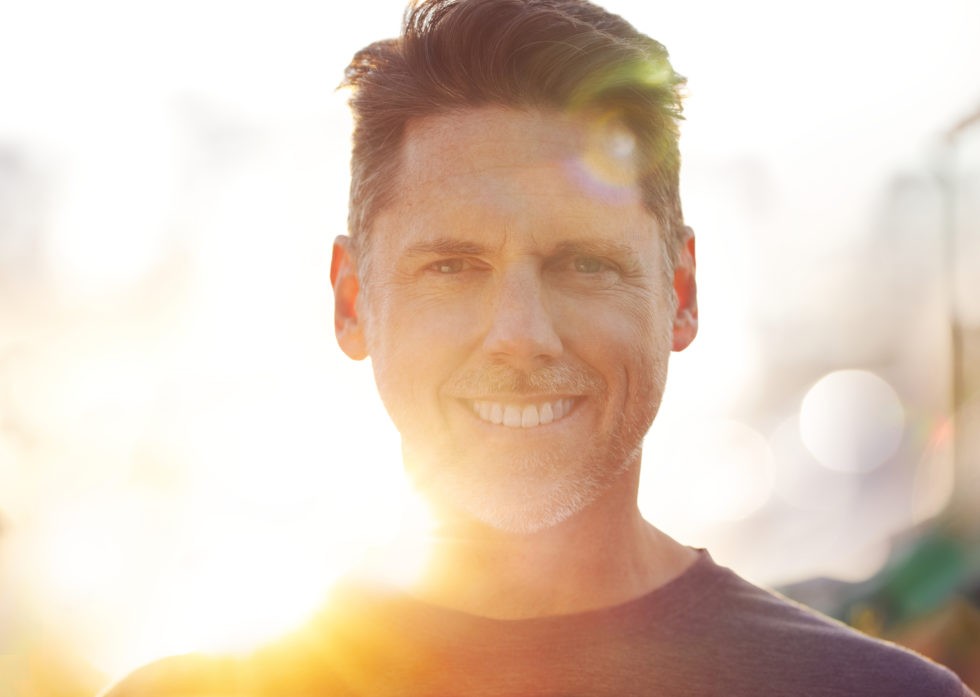
Tripp Lanier is a professional coach, author of This Book Will Make You Dangerous, and host of The New Man Podcast: Beyond the Macho Jerk and the New Age Wimp which — for over a decade — has been downloaded millions of times.
Since 2005, he has spent thousands of hours coaching people all around the world to get out of the rat race, become an authority in their field, and make a great living doing the work they were put on this earth to do. Over the years he’s designed several businesses to support a simple lifestyle focused on freedom, ease, meaning, and fun.
If you’d like to learn more about coaching with Tripp Lanier visit TrippLanier.com.
About Alyson Lanier

Alyson Lanier is a multifaceted expert at the intersection of psychological and spiritual healing. With a 30 year career in Psychotherapy that includes a BA, MA, and LPC in psychology, Alyson supplemented her education with extensive training and certifications in attachment work, Gestalt therapy, Transpersonal psychology, Shambhala Buddhism, internal family systems, and Psychedelic assisted psychotherapy. Her professional journey encompasses over 50,000 hours of therapeutic experience working with individuals, couples, families, children, and adolescents across clinical and private settings.
If you’d like to learn more about working with Alyson Lanier visit AlysonLanier.com.
Transcript
Opening banter and the dying car
Tripp: How are you this morning? You look fantastic.
Alyson: I do. Yes. Sometimes you say that and you don't mean it.
Tripp: You've really stepped up your…
Alyson: Summer helps. You're a fan of more skin, so more skin being revealed tends to help how you feel about how I look. I'm not wearing big comfy clothes.
Tripp: Well, there's a fine line between big comfy clothes and "I'm depressed."
Alyson: For you, there's definitely a fine line. Yes. So here we are again.
Tripp: Here we are. Do you wanna just jump right in?
Alyson: Team Lanier. I'm happy to talk about whatever. I like you, so I like talking to you about anything. If you don't wanna jump in…
Tripp: I feel rushed. I'm also depressed. I'm grieving. So if I can push those feelings down…
Alyson: You're at least good at distracting yourself from those. But do you wanna tell the audience why you're depressed?
Tripp: I'm gonna cry. Fine.
Alyson: You're not gonna cry. But I am sad too.
Tripp: This is actually happening.
Alyson: A beloved family member is in the hospital right now.
Tripp: On that…
Alyson: Potentially on its deathbed.
Tripp: We're talking about my 21-year-old car. There's a part of me that's like, are you fucking kidding me, man? You're dying? It's a 21-year-old car, dude.
Alyson: It's a beautiful 21-year-old car, and it's a 20-year-old car that's in a renaissance right now. Everybody wants it.
Tripp: I would never say that everybody wants that car.
Alyson: There's a lot of people.
Tripp: If you deal drugs and you're between 14 and 25, you will like this car. Those are the guys that are approaching me with the hat sideways like, "You wanna sell that car, man?" Alright, let's just move on. I'm just getting sad.
Alyson: Oh, no. You should stay with things.
Tripp: We got to stay with things. Come on.
Alyson: This is important.
Tripp: No, it's not.
Alyson: Yeah, it is. You gotta stay with things, because then you can get through it. You deepen. I feel closer to you. You feel closer to yourself.
Tripp: Well, it's also not… I'm gonna get another opinion, see if it's really dead. And that person's gonna bring it back to life. Alright. Is there anything else you wanna bring to light other than my sad car?
Alyson: There's been a theme. Maybe the last time we did this, you also said you were feeling depressed. So maybe there's a theme.
Tripp: Maybe you should listen to your podcast and be like, "Oh my god, for the last twelve months, I've been depressed."
Alyson: Yeah.
Tripp: No, I wouldn't say that I'm depressed about the car. I'm sad. I'm just grieving. I really like that car. And I don't wanna buy a new one unless it's gonna be really fun. I want a race car. I don't want a car car. I want a race car.
Alyson: Yeah, I know. Because you drive so many places.
Tripp: And so fast. Hey, the broker that's getting me disability insurance right now, I'm not serious about the race car. Hey, life insurance guy, just kidding. Alright. I feel like I wanna get up and go because I got a busy morning.
Alyson: Okay, alright.
Tripp: Or I've had two cups of coffee. Alright. I'm gonna read this question that just came in. This is from Will Smith. He says he's not that Will Smith. This guy runs an AI-powered beekeeping service. I thought you would find that…
Alyson: Oh my god.
Tripp: They use AI to manage the bees.
Alyson: Like robots?
Tripp: I don't know anything about this. It's just fascinating. The bees and the AI, they're developing neural links and stuff. It's bad. Did you read that?
Alyson: No. All I know is there's some technology you can put in beehives that monitors the hive. It's not AI, but it monitors humidity, temperature, and weight.
Tripp: That just sounds like a weather station.
Alyson: Well, with beekeeping, we don't need to go down that road. But it gives you enough data that over time you can actually predict what's happening inside the hive without ever going in, which is pretty rad, because humans going into the hives is kind of the problem.
Tripp: One of the problems. Anyway.
Will's question
Tripp: He says, "Hey, Tripp, long-time fan."
Alyson: Are you laughing because it's Will Smith?
Tripp: No, no. Okay. "I've been with my girlfriend for years, and we've been stuck on a plateau. We don't really fight, but we also never really talk about any of our problems either. We've become more friends than anything. We don't really have sex anymore. I've been growing a lot over this time. I've been reading books and listening to podcasts. I'm into personal growth and philosophy and some spirituality. I want us to work on our relationship and grow, but when I bring it up, she shuts it down. It's never the right time. She always has something going on or she's tired from work. I don't wanna push her or force anything on her, but I also don't like that we don't connect. And I also feel pressured to marry her and start a family." This is very common with people that I talk to. Can you relate?
Alyson: Yeah, I can think of two different couples right now where a version of that is going on as well.
Tripp: So what do you… It's all on you. Fix him.
Alyson: Okay. Podcast over. Question answered.
Tripp: You fix them. If I were to distill this, he's on a growth path, and there's a mismatch there. Then there's this thing of not really talking about stuff, so there's a fear of that, and it's impacting their sex life. I know for many people, if the sex life goes downhill, it's really tough. Especially if you're thinking about getting married, you're like, wow, I'm setting myself up for a sexless life.
Alyson: If they're monogamous, for sure. And there's another thread in there, which is the shoulds. There's a lot of shoulding going on.
Tripp: Right. And then there's, jeez, we've been together a long time. I put all this time in. I don't wanna just bail, because this might be the person I'm gonna marry. So it makes it even more difficult to leave, like I feel like I should stay because I've invested all this time.
Alyson: Did he say how long they were together?
Tripp: Years. Years. Years. So it's easy to just normalize this. You look at your friends' relationships, a lot of them are stale, no sex, and you and your boys just sit around and complain.
Alyson: Are we still talking about Will?
Tripp: I just hear this so much, and it becomes normalized, and it's sad.
Alyson: It really is sad.
Tripp: So what are his options here? There's a communication issue, there's a values issue, and then there's the "I don't wanna give up because I put time in" issue. I think it's helpful to separate those things. Let's start with "we're not really talking about what's going on." If I'm in a relationship with someone, even a business partnership, and we can't talk about things, we can't solve problems, I'm not going to invest more into this. I'm not gonna expose more of myself or be more vulnerable with you. So that always puts the brakes on.
Alyson: The image that came to me, maybe from my dream, was that we're in an airplane, something happens, and suddenly the plane's going down.
Tripp: Uh-oh.
Alyson: We need to know that the people in the exit row know how to work the exit door, and that we can communicate in a way where we can help ourselves and each other.
Tripp: Do you have hope, when the plane's going down, that you're gonna make it?
Alyson: I'm not just gonna sit listlessly and be like, "Oh well." I'm gonna put up a little bit of a fight, I think.
Tripp: I'm gonna be screaming. I love how you're like, "It's cool, we're nose-diving into the Atlantic, but let's get a plan together, guys."
Alyson: Well, I was trying to come up with an analogy. He's talking about day to day, where things are probably relatively okay in their lives. But if some shit hits the fan, they're actually gonna need to communicate. There's gonna be times where they really need to.
Taking 100% responsibility and getting clear on what you want
Tripp: It's really easy in these scenarios to put all of the focus on the other person and what they're not doing. When I work with people in this situation, I have them take 100% responsibility for the dynamic. If they don't like the dynamic, there's something about what they're doing, or not doing.
Alyson: What they're not doing.
Tripp: Right. So the first thing I say is, let's act like this relationship doesn't exist. It's a mental exercise. If we were gonna map out your ideal relationship, what would the sex life be like? What would you guys talk about? How often would you talk about things? How would you deal with problems? I just map that stuff out, and usually just doing that, they can start to see how far apart they are from where they want to be.
Alyson: They also get in touch with their desire beyond "I want this." There are a lot of people out there who want it and have absolutely no idea how to go about it, or how much they want, or what it might look like. So they just sit with their want in quiet desperation.
Tripp: There's also this thing where I've given up on clarifying what I want, because I've been focused on how to make something work with this person. When in actuality, you've gotta bring your power to it. You have to be very clear about what you want in a relationship and bring that forward. This is true in a business relationship too. It's true across the board. We bring what we want to the table, even if it might be a little challenging to the dynamic. But for a lot of us, we give up on that, because it's like, "I don't think this can happen, so I'm just gonna shut it down." So I like to help guys get in touch with what they want even if they don't think it's possible. That can be really scary. Some guys are like, "This is never gonna work." And I'm like, well, let's try. Let's bring this to the table, not as an ultimatum, but as, "Hey, here's what I see possible. Here's the relationship I would love to have, the sex life I'd love to have. I'd love for us to travel. I'd love for us to be able to talk about these things. If a problem came up, I would want us to deal with it head-on. What about you? Would this interest you?" And then invite them into that.
Alyson: And then they're too busy to talk about it and they walk away.
Tripp: I'm kidding. But at least… I always want someone to have peace of mind. If I'm staying in the relationship, I want peace of mind. And if I'm leaving, I want peace of mind. I never wanna look back and be like, "I coulda done this." So what does it look like to have peace of mind? I spoke up, I invited the person…
Alyson: I did everything I could do, or I tried everything I knew to try, and I even got help to try things that I didn't know to try.
Tripp: Yeah. I think the mistake is, "You better do this or we're out." Then the person feels like, jeez, I have to do this or else you're out. That could be sticky too.
Alyson: It is sticky, and it's important that you named that, because that's what goes on in a lot of people's heads. It's sort of like, "Can I keep doing this? This isn't the relationship I want the way that it is." The question often is, "I don't know if I should stay with this person." But in my experience, the people actively going through this don't want anybody else. They want to be with the person they're with.
Tripp: Now why? Because this is not…
Alyson: Because they love them. They've been together for decades.
Tripp: Well, let's separate that, because it's interesting to separate the dynamic from the relationship. I can love this person, deeply love them.
Alyson: And there's lots of the dynamic that does work. There are many things that do work, and then there are pieces that don't. I like that you're distinguishing that. The common thread, no matter the nuanced differences between Will and who I'm talking about, is avoiding. Avoiding the uncomfortable, hard, unfamiliar new territory of going through something hard and knowing how to navigate it in a way that's not hurtful or too overwhelming, and coming out in a better place. Coming to the other side more close, more in love, more connected.
Being firm without being forceful
Tripp: Let's come back to Will's situation, because his girlfriend won't even talk about things. Let's put it back on Will and have him take 100% responsibility, because he said he doesn't wanna force her. Intuitively, I'm listening to this and he's not being firm. He's not saying, "We need to have this conversation." He's just like, "Okay, later then." He's not speaking to why this is important to him. I wonder if there's a way we could help him be more firm and transparent, because he's not being direct either. How can he invite her to the table where they can both have that conversation without being forceful? That's his fear.
Alyson: Right. And we don't know why he's afraid of being forceful. He just doesn't wanna be a bulldozer in that kind of way.
Tripp: I would guess so. What are your thoughts on that?
Alyson: Well, the reason I'm asking is that there's consideration happening there. The reason he's not showing up in that way is that he's taking her interior world into consideration. I'm just projecting, I don't know what's true here. But what's often true is that people are taking the other person's interior world into consideration. So it actually comes from a compassionate place, I think.
Tripp: Nice guy syndrome.
Alyson: Maybe. It's the whole thing of avoiding being uncomfortable. I just wanna come back to this, because I actually have a lot of compassion for his girlfriend. There's something going on with her that would have her be that way. And it's big enough that she's willing to not have the relationship she wants, because everybody wants deep bonds, lots of love, being desired. I don't know anybody that doesn't want their relationship to be great. So something is going on with her that would have her be willing to not go there. Whatever that thing is, it's big enough in her world to really risk losing it all.
Tripp: I think it's to be said that a great relationship also requires a lot of accessibility and vulnerability. There's gotta be a lot of transparency. If her commitment is to avoid that and avoid discomfort, then she's cutting herself off from…
Alyson: Absolutely. But that's what I'm saying. If we see it from a compassionate place, she's protecting some very scary place for herself. And even if you don't know the other person well, we're intelligent, sensitive humans. We might not know what to do with that information, but most of us can gather that something like that might be going on with another person, even if we're frustrated.
Tripp: It's not like she's just being an asshole.
Alyson: Right, exactly. And even when people are assholes, it's a little harder to find your compassion, but there's something going on there too.
Tripp: It's fear. It's vulnerability.
Alyson: So anyway, him being firm or not. He was worried about being forceful?
Tripp: Worried about being forceful. And I've got an idea for that, but go ahead.
Alyson: I think he can tap into his authentic care for her and for them as a couple. When they're getting along, when they feel their love for each other, he could come from that place, and that would help him not feel like he's being forceful. He can still be really honest and stick to his guns about what he has to bring there. He can say, "Hey, this matters to me. I get that this isn't a good time." And as a side note, yeah, people get tired after a long day of work. The end of the day usually is not the right time to bring up big conversations.
Tripp: For years.
Alyson: And for years. I mean, who knows? Maybe she's a nurse working crazy hours. So there are some factors. You wanna curate your experience here. Being firm is important, but also be smart about it. Make sure you're fed, you're slept. Pick a time. If now's not a good time, make an agreement on a time when you're both wide awake and not exhausted from something else. Figure it out. Be persistent.
Tripp: And that's different from being forceful, which is you walk in the room, she's had a long day, and you're like, "We're talking about this now."
Alyson: Yeah, that's not gonna work.
Tripp: It's, "Okay, if not now, then when?" And staying on that.
Alyson: And there can be firmness along with, "This matters. I care about this, I care about us. We've talked about marriage. We haven't talked about marriage. We've avoided the conversation of marriage. We've been together this long. Life is happening. We gotta nail this down one way or the other. When can we talk about this?"
Naming the impact and prioritizing truth
Tripp: I think it's important to nail the impact. If I'm asleep at the wheel and tired and I just want to avoid discomfort and vulnerability, then it's so easy to keep kicking the can down the road. I'll get to it later. I'll take care of the bills later. I get into that mode of later, later, later, and we don't realize that the credit card bill in our psyche is just getting bigger and bigger. If we become aware of what's actually happening, of the impact every time I kick this down the road, we can wake up to it. I often encourage guys to say, "Hey, when we don't talk about this, here's the impact on me. I get concerned. I feel less connected with you. I feel less open to you." There's a cost to this behavior. And I've heard some people say, "Well, I don't wanna guilt her into this." I'm curious what your thoughts are, because I don't think it's guilting if I'm simply saying, "When we avoid talking about our problems, or about what's not happening in our sex life, I get scared, I feel closed. I wanna close myself off to you." I feel like that's being transparent. I wanna feel open to you. I wanna feel excited with you. Can we please talk about this, and when is a good time?
Alyson: Surprising no one, I'm gonna say it's how you talk about it that's gonna lead to guilt or not. The way you described it, you only took responsibility for your feelings. You didn't say, "You're doing this to me. Because of you, I'm this way. We now are this because you won't ever do X, Y, Z." So the language is very important. I actually think that's why a lot of people avoid it. They don't know how to talk about it without causing wreckage. And, just compassion, everybody's got their layers of shit anyway. Even if you're the most skillful person and you use non-adversarial language, they're still gonna have all their crap, probably from previous relationships where the last person wasn't skillful, or from parents. There's just gonna be layers of shit. That's where the firmness really comes in handy, because no matter what is happening over there, the person bringing what they need to bring is gonna stay with themselves enough to weather whatever discomfort, hardship, or storminess is coming from the other side. It's staying steady through the reactivity in service of getting a response. And people will feel guilty. We've had times, you and I, where you've wanted more of something, or I've needed more of something, or wanted more of something…
Tripp: My back hurts sometimes, baby. I can't just keep… Anyway.
Alyson: Your back hurts from fucking?
Tripp: Yeah.
Alyson: I would think that your shoulders and hips are what hurt.
Tripp: Well, don't. I'm not in pain, so I had to make something up. Shit went off the rails.
Alyson: I totally forgot where we were in this conversation.
Tripp: They're probably still gonna feel guilty. And you were saying that in our dynamic, there were places where I was not getting enough of something or you were not getting enough of something.
Alyson: Oh, yeah, that's right. We care about each other. We want to be together. We want to work things out. We want things to be good.
Tripp: There's a shared desired outcome.
Alyson: Right. And also, we're together. I know you're gonna make a joke about this, but you're my ride or die. And I believe that I'm yours. This is where the joke comes in, I know.
Tripp: You believe you're in my top five, ride or die.
Alyson: Right. The reason I'm saying that is I'm thinking about his inquiry, where he's like, "We've been together a long time, we've put a lot into this already." So when you bring something to me and it's really uncomfortable, there's sort of a story of, "I don't wanna let you down. I don't wanna fail you here. And I feel like I'm failing you somehow."
Tripp: Well, it's true. In this scenario, not talking about it…
Alyson: Right.
Tripp: It is the relationship.
Alyson: So there's that hard, uncomfortable place. A person may feel guilty. They might also feel really defensive, because they're not able to feel the harder feels. Or angry, because they're not able to feel the harder feels. My point is, you're probably gonna feel all the things. That's why most people avoid it. They have a hard time being with the discomfort that's there.
Tripp: I think the question is, are we gonna prioritize truth-telling in our relationship? Truth-telling doesn't mean that we willfully hurt one another with our judgments. Like, "I'm just telling the truth, you're a bitch." That's not the truth. The truth is, when we don't do X, Y, Z, or when this isn't happening, it impacts me. I'm not okay with it. That's truth-telling. So are we gonna prioritize the truth, or are we gonna prioritize keeping the peace, where we just maintain this thing? I think that's a very big fork in the road, because a relationship that prioritizes the truth means we're willing to get into some uncomfortable conversations, whereas Will's relationship has been shown to prioritize "let's just avoid the discomfort," and we'll just sit with the suffering that goes along with that.
The shoulds and the developmental shift
Alyson: What you say about going along with the status quo also points to the shoulds. "I feel like I should get married. We've been together a certain amount of time, so this means we should get married."
Tripp: If that's your reason for getting married…
Alyson: I know. When you read his question, the very first thing in my mind was, wait a minute, does he want to get married? I wanna name that, because that's also going along with the status quo. There's a whole lot here about what both of them are going along with, not just from their own couple dynamic, but from larger dynamics.
Tripp: There's what I should do versus what I want. This maps to that developmental shift that happens in our late twenties and early thirties. We've talked about this before. Early on in life we're following a script to a large degree. I'm gonna jump through the hoops to get through school and take care of myself, and we look outside of ourselves a lot for those cues. It's natural.
Alyson: We're wired to do it. We're literally marinating in the shoulds from the time we're born until we become our own people.
Tripp: So we can allow ourselves to fall asleep in that. When it comes to the bigger questions, like the relationship we should be in, the sex life we have, when we get married, the type of person we would marry, why we would marry them, we could be stuck in the should. We're following the convention. For some people that works, perhaps.
Alyson: Maybe, yeah.
Tripp: Maybe. But if we continue to develop and don't get stunted there, we start to ask the question, who am I really?
Alyson: Thank you, Dewey Freeman.
Tripp: Yeah, thanks to Dewey Freeman. So who am I really? That is where we start to break away from the conventions and the shoulds.
Alyson: For the woo-woo people, that's your Saturn return.
Tripp: Holy shit. Did you really just say that on my podcast?
Alyson: I did. All the women that listen are gonna be like, "Go girl." I'm not a starry person, but it actually maps really well with the "who am I really," because it's the tail end of the twenties, creeping into the thirties. And the traditional culture, or science, or wherever that fucking shit came from, would say, "My biological clock is ticking." So it does become a bit of a pressure cooker in that window.
Tripp: Okay. So moving into this next phase is really, instead of "what should I do," "what do I really want?" What genuinely works for me? Where do I feel more free, more alive, more at peace, more loving and connected? Because following the rules and jumping through hoops may have me feel comfortable. It may bring a certain amount of certainty and acceptance, but I won't feel alive there. I may have the wife and all this stuff, but I don't feel free. I don't feel at peace. I can be with somebody and not feel connected to them.
Alyson: That's right.
Tripp: So moving into "what do I really want" or "what do I stand for," these deeper questions, we've gotta be willing to be more honest with ourselves, willing to go into discomfort, into uncertainty, into "who am I to start to live this way that I wanna live and break from convention?" We might be coupled with somebody while we're making that shift, and they may not be on the same path. It's important to recognize if that's happening, and that one person's not right and one person's not wrong. We're just on different paths. I think that's really helpful, instead of trying to build a case for why we should do this or that. Just start from "this is what's happening for me." Ultimately, I wanna be with somebody who's on a similar path or has similar values, maybe. A similar…
Values and deal breakers
Alyson: I wanna be really clear. Not every couple has to have similar interests and paths and likes. I think they can be really different and still be a couple.
Tripp: What about values though?
Alyson: I think values need to map up somewhere, but I don't think they have to be everywhere. I remember Gabby, Laird Hamilton's wife, wrote a book, and one of the things I really loved was her talking about your deal breakers, and everything else being workable. I'd put deal breakers to values, really certain values. In her book it was, pick five, tops. Everything else is workable. I love that, because there are some core values. A couple that's gone through the marriage and kids thing, how they parent their children is probably gonna need to be a core value.
Tripp: How they parent, right.
Alyson: And that's gonna be a deal breaker for people.
Tripp: How we deal with conflict. Do we hide from it? Do we deal with it?
Alyson: But there are people out there that are fine not ever dealing with conflict, so that might not be a value for them. I know it's not for you. The reason I'm saying this is, if we really wanna help Will, we don't know who he is. We don't know what his values are. Everything we're saying can be really helpful, but the first thing is getting them to be really clear and honest with themselves. Like you're saying, they have to clean up their side of the street. They have to know that first. That might take some time and energy, and not just "I'm doing all this cool personal development stuff and I'm feeling so good and learning cool things about myself." They still might not have done that part of the work in terms of how they wanna be in a partnership. That has to happen in order to know, is this also important in the we space, in whoever I'm with? Does this matter enough to me here with you as it does to me with myself or with my job or with my kid? It's nuanced, but I think it's important, because I know plenty of people that can have some level of intimacy without that level of radical honesty. It does feel radical to people that haven't been doing that deep honesty. And they figure it out, they make it work. So it might not be yours and my ideal situation, but our job is to find out what's their ideal situation and help them reach it.
Tripp: Okay, so let's zoom out. You gotta be honest with yourself first and foremost. This isn't working, or this is working, or whatever. And stop making excuses for yourself. I like the idea of taking 100% responsibility. Where am I in my life? What is my yes in my life? That can be really scary, because I don't know if it can happen.
Alyson: You might not know what your yes is without trying some shit out.
Tripp: Right. But it's taking responsibility and not expecting your partner to be the person that checks those boxes for you. It's gotta come back to you. What do I want for my life? Even if this person wasn't in my life, what would I want? You can go around Ken Wilber's four quadrants or do a basic 360, whatever that is. This is what I do with my guys. And then from that place, it's learning how to be skillful. You might just realize this isn't gonna work, or it could be learning to be skillful with naming the impact. I think this is where having a third party can really help.
Alyson: Absolutely.
Tripp: To navigate this stuff, so you're coming from a heart-based place instead of an accusatory place.
Alyson: Learning non-adversarial communication is super helpful.
Tripp: Really helpful to have a third party there. And the invitation is, "Here's the thing that I want, here's what I see possible. What about you?" That's the invitation of a different life and a different way of being. And it would invite challenge. It would invite discomfort.
Alyson: Absolutely. Uncertainty. For sure. But if a person has done that sort of pre-work, then when they turn toward the discomfort, it's sitting inside a much larger container of love and integrity. It's like this ship is going in this direction, and yes, we're gonna hit some rocky waters, but we can do this. I've got the drive to do this. And that can sometimes really help pull a person outside of their own smaller world that they're defending.
Peace of mind versus comfort
Tripp: I did a version of this in a relationship years ago. I was guilty of the "should I stay or should I go, and this person's not meeting me here and there." I wallowed in that for years and was making it about her. When I took responsibility and followed what we're talking about here, I got really clear about what I wanted. I didn't even know if it was possible, but I wanted that peace of mind. If I'm staying in the relationship, I'm gonna commit to this person and feel good about it. If I'm leaving, I wanna feel good about it. I'll be heartbroken and sad, but I'll feel like that was the right thing to do. That was the aim, instead of "how do I just avoid feeling bad?" When I got really in touch with this and brought it to her, I remember dropping all of that agitation I had with her. I remember being very accepting of, "This is who you are and this is who I am, and nobody's the bad guy here." I felt so much more open to her and accepting, and that felt good. Instead of, "Gosh, if only you'd done this, we wouldn't be in this shit right now."
Alyson: Yeah. And I wanna interject real quick, because you talked about wanting peace of mind, and I think most people in this situation confuse not doing those hard things, not going into those uncomfortable places, with what gives them peace of mind.
Tripp: Let's talk about the difference between peace of mind and comfort, because peace of mind is doing the uncomfortable thing. I talk about it in the book. If I've got a toothache, I can slug back some whiskey and an Advil and maybe get some relief, some comfort. I still have a rotten tooth. I still need to take care of this tooth. It has not healed itself.
Alyson: That's good.
Tripp: The peace of mind comes from "I'm gonna go to the doctor."
Alyson: That might be uncomfortable. It might be shitty, might be expensive.
Tripp: Might be really uncomfortable, expensive, right? But it's getting handled. It's not festering anymore. This thing's not rotting in my mouth. There's peace of mind there. So it's not the easy road that provides peace of mind. It's "we're gonna handle this thing" and not let it fester. I think that's a great compass heading. Where's peace of mind either way? Instead of "I have to convince myself to be with this person" or "I have to convince myself not to," and always looking in the rearview mirror, what if this and what if that. It'll be difficult either way. It's gonna be challenging either way. There's no easy road here.
Alyson: For sure.
Get help
Tripp: But there's a way to do this, and if we follow that and get some help… I mean, we get help from a plumber. Get some help with this. And a lot of it is really about cleaning up your side of the street instead of focusing on them.
Alyson: And getting help. People don't do it because they don't know how. So, great, get help then.
Tripp: Why would you know how to do this? Your parents probably didn't know how to do it, and their parents didn't know how to do it. You grew up in that environment.
Alyson: Nobody taught this kind of stuff until now. There's podcasts now, relationship teachings, and people who are more able to teach what they've learned about this. But there's no school. When anybody was growing up, you're doing your maths and your language and your reading and writing, but you're not also, by the way, learning how to be in relationship with others and the world and business. Nobody does that. So go get help.
Tripp: You were really spicy today.
Alyson: I was spicy today?
Tripp: I'm gonna have to cut some things.
Alyson: That means we gave you more work to do.